The Best Synthetic Oil: 5 Full Synthetics Compared by Grade and Approval
Five full synthetic motor oils compared on viscosity grade, API rating and dexos approval, plus why the grade in your owner manual beats any brand.

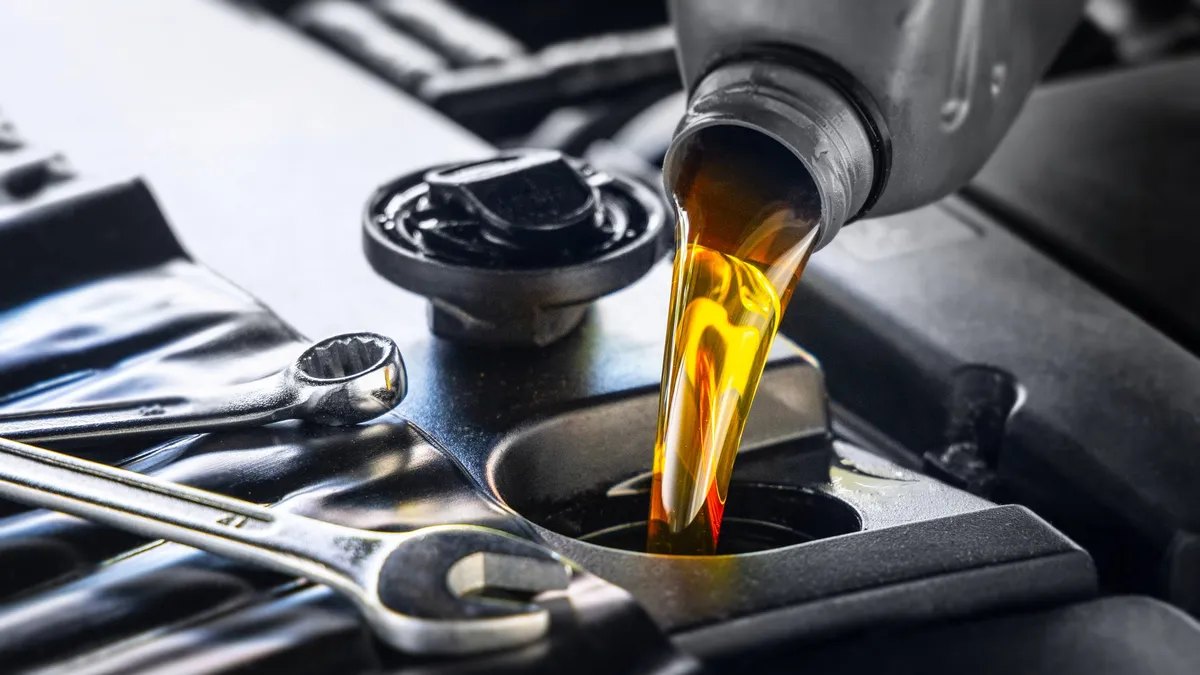
Buying synthetic oil is simpler than the shelf makes it look, because the first decision is not a brand at all. It is a viscosity grade, and your owner manual already made that choice for you. Get the grade right and almost any current-approval synthetic will treat your engine well. This guide compares five jugs you can buy on Amazon today, chosen to cover the grades and situations most drivers face. Valvoline Advanced Full Synthetic 5W-30 is the pick for the largest group of cars. Castrol GTX Full Synthetic 5W-30 holds the same approvals for a few dollars less. Valvoline MaxLife Full Synthetic 5W-30 adds seal conditioners for an engine that has started weeping oil. Mobil 1 Advanced Fuel Economy 0W-20 covers the modern engines built for a thinner oil. Castrol EDGE 0W-20 claims the longest drain interval of the group. We compare them on grade, oil type, API rating, dexos approval and claimed interval, and we are straight about how small the real differences are.
Table of contents
- Quick picks
- Comparison table
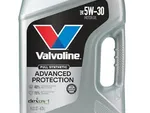
- Best Overall: Valvoline Advanced Full Synthetic SAE 5W-30 Motor Oil 5 QT
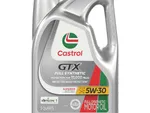
- Best Value: Castrol GTX Full Synthetic 5W-30 Motor Oil, 5 Quarts
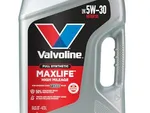
- Best for High Mileage Engines: Valvoline MaxLife High Mileage Full Synthetic 5W-30 Motor Oil 5 Quart
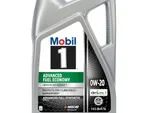
- Best for 0W-20 Engines: Mobil 1 Advanced Fuel Economy Full Synthetic Motor Oil 0W-20, 5 Quart
- Best for Long Oil Change Intervals: Castrol EDGE 0W-20 Advanced Full Synthetic Motor Oil, 5 Quarts
- How we chose
- What to consider before buying
- Reading 5W-30, and what each number actually does
- API SP, SQ and dexos, the approvals that matter more than the brand
- Extended drain claims and your warranty
- Final recommendation
- FAQ
Quick picks
Every pick wins a specific use case. Jump to the full review before you buy.
-
Best Overall
Valvoline Advanced Full Synthetic SAE 5W-30 Motor Oil 5 QT
A current-spec full synthetic 5W-30 in the size most oil changes need, carrying the newest gasoline approvals and sitting near the top of Amazon's oil sales rank.
-
Best Value
Castrol GTX Full Synthetic 5W-30 Motor Oil, 5 Quarts
A full synthetic 5W-30 with the same current approvals as the pricier jugs, sold for a few dollars less per oil change.
-
Best for High Mileage Engines
Valvoline MaxLife High Mileage Full Synthetic 5W-30 Motor Oil 5 Quart
A full synthetic 5W-30 with seal conditioners added, aimed at engines past 75,000 miles that have started using or weeping a little oil.
-
Best for 0W-20 Engines
Mobil 1 Advanced Fuel Economy Full Synthetic Motor Oil 0W-20, 5 Quart
The low viscosity full synthetic that fits the huge number of modern Toyota, Honda and Ford engines whose manuals call for 0W-20.
-
Best for Long Oil Change Intervals
Castrol EDGE 0W-20 Advanced Full Synthetic Motor Oil, 5 Quarts
A premium 0W-20 full synthetic that Castrol rates for 20,000 miles or one year, double what the other jugs here claim.
Compare every pick
| Product | Award | Viscosity grade | Oil type | Api rating | Best for | Where to buy |
|---|---|---|---|---|---|---|
| Valvoline Advanced Full Synthetic SAE 5W-30 Motor Oil 5 QT | Best Overall | 5W-30 | Full synthetic | API SQ and API SP, ILSAC GF-7A | A driver whose owner manual calls for 5W-30 and who wants a current-approval full synthetic without paying for a boutique brand. | Check price for Valvoline Advanced Full Synthetic SAE 5W-30 Motor Oil 5 QT at Amazon (affiliate link) |
| Castrol GTX Full Synthetic 5W-30 Motor Oil, 5 Quarts | Best Value | 5W-30 | Full synthetic | API SQ, SP, SN PLUS and SN, ILSAC GF-7 | A 5W-30 owner who changes oil often, buys several jugs at a time, and does not want to pay extra for a name they already trust less than the spec sheet. | Check price for Castrol GTX Full Synthetic 5W-30 Motor Oil, 5 Quarts at Amazon (affiliate link) |
| Valvoline MaxLife High Mileage Full Synthetic 5W-30 Motor Oil 5 Quart | Best for High Mileage Engines | 5W-30 | Full synthetic with seal conditioners | API SQ and API SP, ILSAC GF-7A | An owner of a car past 75,000 miles that drips a little onto the driveway or drops half a quart between changes. | Check price for Valvoline MaxLife High Mileage Full Synthetic 5W-30 Motor Oil 5 Quart at Amazon (affiliate link) |
| Mobil 1 Advanced Fuel Economy Full Synthetic Motor Oil 0W-20, 5 Quart | Best for 0W-20 Engines | 0W-20 | Full synthetic | ILSAC GF-6 | Anyone whose owner manual or oil cap says 0W-20, which covers most Toyota, Honda, Subaru and Ford four-cylinder engines from the last fifteen years. | Check price for Mobil 1 Advanced Fuel Economy Full Synthetic Motor Oil 0W-20, 5 Quart at Amazon (affiliate link) |
| Castrol EDGE 0W-20 Advanced Full Synthetic Motor Oil, 5 Quarts | Best for Long Oil Change Intervals | 0W-20 | Advanced full synthetic | Exceeds API SQ, SP, SN PLUS and SN, ILSAC GF-7 | A high mileage commuter in a 0W-20 car out of warranty who wants the longest safe interval and fewer trips under the car. | Check price for Castrol EDGE 0W-20 Advanced Full Synthetic Motor Oil, 5 Quarts at Amazon (affiliate link) |
Swipe sideways to compare every column.
Best Overall
Valvoline Advanced Full Synthetic SAE 5W-30 Motor Oil 5 QT
by Valvoline
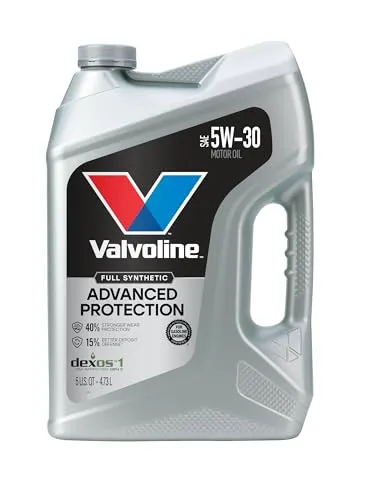
A current-spec full synthetic 5W-30 in the size most oil changes need, carrying the newest gasoline approvals and sitting near the top of Amazon's oil sales rank.
What we like
- Carries API SQ and ILSAC GF-7A, the newest gasoline oil categories, so it is not old stock with an old approval
- Lists GM dexos1 Gen 3, which many late-model GM engines require by name
- The 5 quart jug matches the sump size of a large share of four-cylinder and V6 cars
- Sales rank of 7 in the category, so it moves fast and you are unlikely to get a jug that has sat for years
What we don't
- Only fits engines that call for 5W-30, which rules out most Toyota, Honda and Mazda models built for 0W-20
- Valvoline does not state a drain interval on this listing, so you get no manufacturer backing for stretching changes
- The percentage claims are all measured against minimum industry standards, not against other brands of synthetic
| Viscosity grade | 5W-30 |
|---|---|
| Oil type | Full synthetic |
| Api rating | API SQ and API SP, ILSAC GF-7A |
| Dexos approval | GM dexos1 Gen 3 listed |
| Container size | 5 quarts |
| Price bracket | $ |
This is the pick for the largest group of drivers, and the reason is boring. It is a 5W-30 full synthetic, in a 5 quart jug, with the approvals that current engines ask for. That covers a huge slice of American cars and light trucks.
The approvals are what matter most. Valvoline lists API SQ, API SP and ILSAC GF-7A on this jug. Those are the newest gasoline oil categories, and they exist because modern turbocharged direct injection engines can suffer low speed pre-ignition, which cracks pistons. An oil that meets the current category has been tested against that. An older API SN oil has not. The listing also names GM dexos1 Gen 3, Ford WSS-M2C961-A1 and Chrysler MS-13340, so if your manual points at any of those, this jug answers it directly.
The sales rank is worth a mention. It sits at 7 in its category, which is real information even though Amazon returned no ratings or review counts. Fast turnover means fresh stock. Oil does age on a shelf, and a jug that sells in days is better than one that sits for three years in a warm warehouse.
Now the honest limit. Valvoline’s headline numbers, 40 percent more wear protection, 15 percent better deposit defense, 2.5 times better heat protection, are all measured against industry minimums. That is the floor every licensed oil has to clear. Beating the floor by 40 percent tells you almost nothing about how this compares to the Castrol or Mobil jugs on the same shelf, because those also beat the floor. Treat the marketing numbers as evidence the oil is properly formulated, not as a reason to pick it over another approved oil.
The other thing to be clear about is grade. This is 5W-30 and only 5W-30. If your car was built for 0W-20, buying this because it is the top seller is the single most common mistake people make in this aisle.
Research-based pick: this recommendation is based on product data, owner feedback and comparison with products we have tested, not on direct hands-on testing.
Buy it if: A driver whose owner manual calls for 5W-30 and who wants a current-approval full synthetic without paying for a boutique brand.
Skip it if: Your manual specifies 0W-20, 5W-20 or a European ACEA grade, because the wrong viscosity is a real problem and no additive package fixes it.
Best Value
Castrol GTX Full Synthetic 5W-30 Motor Oil, 5 Quarts
by Castrol
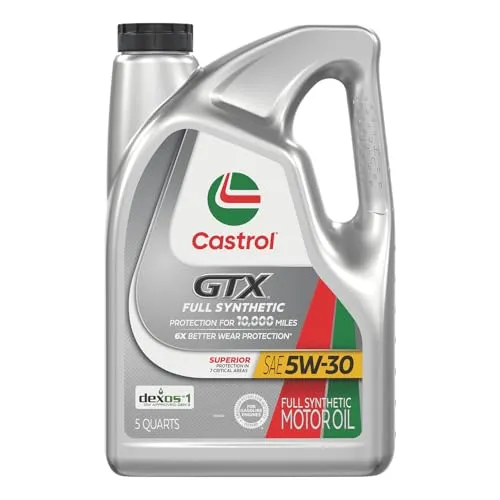
A full synthetic 5W-30 with the same current approvals as the pricier jugs, sold for a few dollars less per oil change.
What we like
- Cheapest full synthetic 5 quart jug in this guide at under 27 dollars, roughly five dollars less than the Valvoline and Mobil 1 jugs
- Still carries API SQ, ILSAC GF-7 and GM dexos1 Gen 3, so nothing is given up on approvals
- Castrol states a 10,000 mile drain interval, which the Valvoline jugs do not put in writing
- Castrol names the actual test methods behind its claims, including the Sequence VH sludge test and the Sequence IVA wear test
What we don't
- Sales rank of 263 puts it well behind the Valvoline and Mobil 1 jugs, so stock may sit longer at some sellers
- The listing gives no Chrysler MS-13340 approval, so check your manual if you drive a Stellantis vehicle
- Locked to 5W-30, so it is useless to the many owners whose manual calls for 0W-20 or 5W-20
| Viscosity grade | 5W-30 |
|---|---|
| Oil type | Full synthetic |
| Api rating | API SQ, SP, SN PLUS and SN, ILSAC GF-7 |
| Dexos approval | GM dexos1 Gen 3 listed |
| Claimed interval | 10,000 miles between oil changes |
| Price bracket | $ |
Value in motor oil is easy to misread. The cheap jug is only a bargain if it holds the same approvals as the expensive one, and this Castrol jug does. It lists API SQ, SP, SN PLUS and SN, plus ILSAC GF-7 and GM dexos1 Gen 3. That is the same class of paperwork as the Valvoline Advanced jug, at a lower price.
What sets this listing apart is that Castrol shows its work. Most oil marketing throws out a multiplier with no context. Castrol names the tests. The sludge claim comes from the Sequence VH test measured against API SP limits. The wear claim comes from the Sequence IVA test. The viscosity claim comes from the Kurt Orbahn shear test in 5W-30 grade. Those are real, standardised engine tests. Knowing which test produced a number is more useful than the number itself.
Castrol also puts a 10,000 mile interval in print. Valvoline does not on its jugs. That does not mean the Valvoline is worse, only that Castrol is willing to commit to a figure. Your manual and your driving still decide the real interval, and short trips in cold weather shorten it a lot.
The soft spot is popularity. At a sales rank of 263 it moves far slower than the Valvoline jug at rank 7. That is not a quality signal, but it does mean the jug on the shelf may be older. Check the date code printed on the container if you can.
One approval gap is worth flagging. The Valvoline jugs list Chrysler MS-13340. This Castrol listing does not. If you drive a Ram, Jeep or Dodge whose manual names that spec, read the label before you buy rather than assuming a dexos approval covers it.
Research-based pick: this recommendation is based on product data, owner feedback and comparison with products we have tested, not on direct hands-on testing.
Buy it if: A 5W-30 owner who changes oil often, buys several jugs at a time, and does not want to pay extra for a name they already trust less than the spec sheet.
Skip it if: Your engine needs a grade other than 5W-30, or your manual demands a Chrysler MS-13340 approval that this jug does not list.
Best for High Mileage Engines
Valvoline MaxLife High Mileage Full Synthetic 5W-30 Motor Oil 5 Quart
by Valvoline
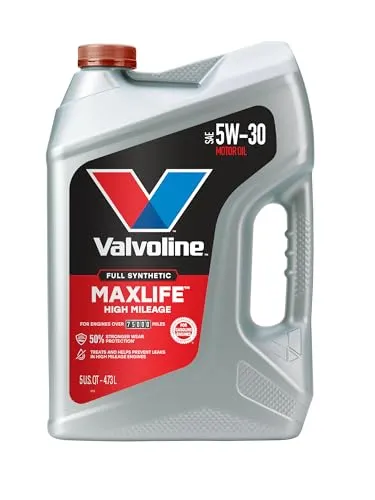
A full synthetic 5W-30 with seal conditioners added, aimed at engines past 75,000 miles that have started using or weeping a little oil.
What we like
- Seal conditioners are the one real functional difference in a high mileage oil, and Valvoline states they are here to slow leaks and cut oil consumption
- Still a genuine full synthetic, not the cheaper MaxLife synthetic blend that shares the name
- Carries API SQ and ILSAC GF-7A, so the base approvals match the standard Valvoline Advanced jug
- Valvoline says it suits new and rebuilt engines too, so a half-used jug is not wasted on a newer car
What we don't
- No GM dexos1 Gen 3 approval on this listing, unlike the standard Valvoline Advanced 5W-30
- Seal conditioners swell rubber, which slows a weep but will not stop a real leak from a failed gasket or seal
- Costs the same as the standard Valvoline Advanced jug even though the base engine protection claims are lower on wear
| Viscosity grade | 5W-30 |
|---|---|
| Oil type | Full synthetic with seal conditioners |
| Engine type | Gasoline engines with 75,000 miles or more |
| Api rating | API SQ and API SP, ILSAC GF-7A |
| Dexos approval | Not listed |
| Price bracket | $ |
High mileage oil gets treated as marketing, and mostly it is. There is one genuine exception, and it is the reason this jug is in the guide. High mileage oils contain seal conditioners, esters that make aged rubber swell slightly and soften. Rubber seals shrink and harden over years of heat cycling, and a shrunken seal lets oil past. Swelling it back can close a small gap.
That is the whole mechanism. Valvoline states it plainly on the listing, saying MaxLife is formulated with seal conditioners to help prevent oil leaks and reduce oil consumption. Note the words help and reduce. If your valve cover gasket has split or your rear main seal has failed, this oil will not fix it. It works on the seal that has stiffened, not the seal that has broken.
The engineering itself is solid. This is full synthetic, not the blend, and it carries API SQ, API SP and ILSAC GF-7A. Valvoline claims 50 percent stronger wear protection and 20 percent stronger sludge defense against industry standards, plus 2.5 times better heat protection. It also lists Ford WSS-M2C961-A1 and Chrysler MS-13340.
One gap matters. The listing does not name GM dexos1 Gen 3, while the standard Valvoline Advanced 5W-30 does. If you drive a late-model GM vehicle whose manual specifies dexos, that is a reason to buy the standard jug instead, even at 120,000 miles.
The 75,000 mile line on the label is not a rule from physics. It is a marketing threshold. An engine that has been changed on schedule its whole life may not need seal conditioners at 90,000 miles, and a neglected one may want them at 60,000. Buy this because your car uses or weeps oil, not because the odometer passed a round number.
Research-based pick: this recommendation is based on product data, owner feedback and comparison with products we have tested, not on direct hands-on testing.
Buy it if: An owner of a car past 75,000 miles that drips a little onto the driveway or drops half a quart between changes.
Skip it if: Your engine is dry, under warranty, or your GM manual requires dexos1 Gen 3 by name, since this listing does not carry that approval.
Best for 0W-20 Engines
Mobil 1 Advanced Fuel Economy Full Synthetic Motor Oil 0W-20, 5 Quart
by Mobil
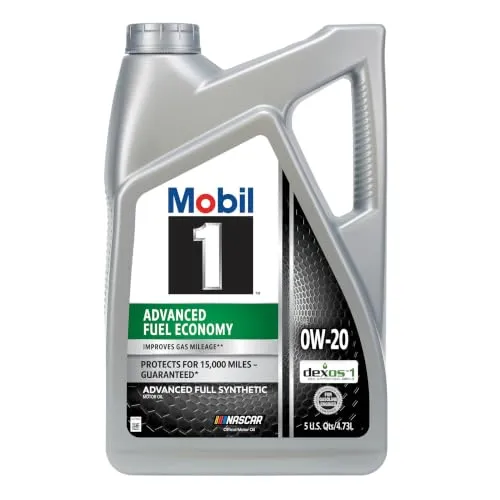
The low viscosity full synthetic that fits the huge number of modern Toyota, Honda and Ford engines whose manuals call for 0W-20.
What we like
- Correct grade for most late-model engines built after roughly 2011, which is where 0W-20 became the default
- Mobil states a temperature range for the oil, protecting up to 500 degrees F and flowing down to minus 30 degrees F
- Meets ILSAC GF-6, which includes the low speed pre-ignition test that matters on turbocharged direct injection engines
- Mobil backs a 10,000 mile drain interval in writing, useful if your car has an oil life monitor that stretches changes
What we don't
- The listing shows ILSAC GF-6 rather than the newer GF-7, so it is a generation behind the Valvoline and Castrol jugs on paper
- No GM dexos1 Gen 3 approval listed, so GM owners should check the label rather than assume
- The fuel economy gain from a low viscosity oil is small in real driving, and Mobil footnotes the claim rather than quantifying it
| Viscosity grade | 0W-20 |
|---|---|
| Oil type | Full synthetic |
| Api rating | ILSAC GF-6 |
| Claimed interval | Up to 10,000 miles between oil changes |
| Container size | 5 quarts |
| Price bracket | $ |
If your engine is built for 0W-20, none of the 5W-30 jugs in this guide are for you. That sounds obvious. It is still the mistake people make when they buy the best-selling oil instead of the correct one. This is here so the correct one is on the list.
Carmakers moved to 0W-20 for two reasons. Thinner oil takes less energy to pump, which helps fuel economy scores, and it reaches bearings and cam lobes faster on a cold start. Cold starts are where most engine wear happens. Modern engines are built with tighter clearances to suit that thinner oil, which is why pouring 5W-30 into a 0W-20 engine is not a harmless upgrade.
Mobil publishes two numbers that most oil listings leave out. It states heat protection up to 500 degrees F and low temperature protection down to minus 30 degrees F. Those are useful boundaries. They tell you the oil is designed to keep flowing on a January morning in Minnesota and to hold together on a summer tow up a grade.
The paperwork has a small gap. This listing shows ILSAC GF-6, while the Valvoline and Castrol jugs show GF-7 or GF-7A. GF-7 is the newer category with tighter limits on deposits and oil consumption. GF-6 is still current enough for the vast majority of engines and it does include the low speed pre-ignition test, which is the important one for small turbo engines. It is a real difference on paper and a minor one in practice.
Treat the fuel economy angle carefully. A low viscosity oil does help, but the gain is measured in fractions of a mile per gallon in fixed lab cycles. Nobody has ever paid for a jug of oil with the fuel it saved.
Research-based pick: this recommendation is based on product data, owner feedback and comparison with products we have tested, not on direct hands-on testing.
Buy it if: Anyone whose owner manual or oil cap says 0W-20, which covers most Toyota, Honda, Subaru and Ford four-cylinder engines from the last fifteen years.
Skip it if: Your manual calls for 5W-30 or thicker, or you have an older high mileage engine where a thinner oil can raise consumption.
Best for Long Oil Change Intervals
Castrol EDGE 0W-20 Advanced Full Synthetic Motor Oil, 5 Quarts
by Castrol
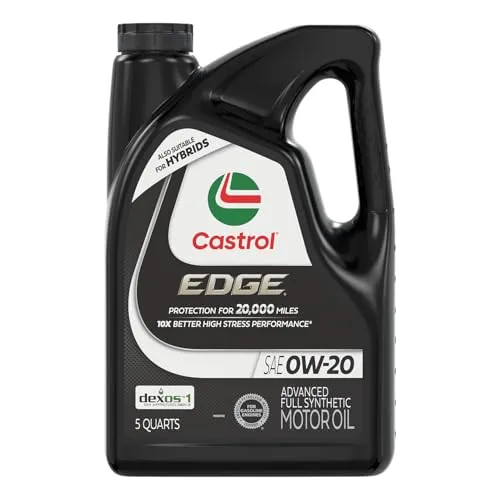
A premium 0W-20 full synthetic that Castrol rates for 20,000 miles or one year, double what the other jugs here claim.
What we like
- Castrol states 20,000 miles or one year between changes, the longest interval claimed by any oil in this guide
- Exceeds API SQ and ILSAC GF-7, the newest gasoline categories, and lists GM dexos1 Gen 3
- Castrol names the tests behind its claims, including the Sequence IX test for high load and torque conditions
- Costs under 28 dollars for 5 quarts, so the premium over a standard jug is roughly one dollar
What we don't
- The 20,000 mile claim is Castrol's, not your carmaker's, and following it can complicate a powertrain warranty claim
- Sales rank of 413 means it turns over far slower than the Valvoline and Mobil 1 jugs
- The one year half of the claim quietly cancels the mileage half for anyone who drives under 20,000 miles a year
- Only correct for engines that specify 0W-20
| Viscosity grade | 0W-20 |
|---|---|
| Oil type | Advanced full synthetic |
| Api rating | Exceeds API SQ, SP, SN PLUS and SN, ILSAC GF-7 |
| Claimed interval | 20,000 miles or one year, whichever comes first |
| Dexos approval | GM dexos1 Gen 3 listed |
| Price bracket | $ |
The number on this jug is the reason it is here. Castrol rates EDGE 0W-20 for 20,000 miles between oil changes, or one year, whichever comes first. Every other oil in this guide claims 10,000 miles or states nothing at all. That is a big gap and it deserves a careful look.
The approvals support the claim. Castrol says EDGE exceeds API SQ, SP, SN PLUS and SN, and it carries ILSAC GF-7 and GM dexos1 Gen 3. It also lists Chrysler MS 6395, Ford WSS-M2C947-B1 and Ford WSS-M2C962-A1. Castrol backs the strength claims with named tests, including a Sequence IX test under high load and torque conditions measured against API SQ limits, and a Kurt Orbahn shear test. This is a properly built oil, not a sticker on a cheap base stock.
The problem is not the oil. It is who is making the promise. Your carmaker sets your service schedule, and your carmaker warrants your engine. An oil company saying 20,000 miles carries no weight with a dealer reviewing a warranty claim. If your Toyota manual says 10,000 miles and your engine fails at 90,000, running 20,000 mile intervals gives the dealer a straightforward reason to argue. Out of warranty, with your own filter changes and an oil analysis if you want proof, it is a reasonable thing to try.
Read the second half of the claim too. Twenty thousand miles or one year, whichever comes first. Most American drivers cover around 13,000 miles a year, so for most people the year limit arrives first and the 20,000 number never applies. Oil degrades by time as well as distance, through moisture, fuel dilution and oxidation.
The filter is the other catch. Most standard oil filters are not built to hold 20,000 miles of debris. If you stretch the oil, you need a filter rated for it, which is covered in our oil filter guide.
Research-based pick: this recommendation is based on product data, owner feedback and comparison with products we have tested, not on direct hands-on testing.
Buy it if: A high mileage commuter in a 0W-20 car out of warranty who wants the longest safe interval and fewer trips under the car.
Skip it if: Your vehicle is still under powertrain warranty, or you drive so little that the one year limit arrives long before 20,000 miles.
How we chose#
We start with a rule that decides most of this category. Use the viscosity grade in your owner manual, not the one a bottle recommends. Every pick below is filed under a grade for that reason, and no amount of additive marketing makes a 5W-30 correct for an engine built around 0W-20.
From there we looked at approvals rather than brand. An oil that carries a current API and ILSAC licence has passed a set of standardised engine tests. One that does not has passed nothing. We favoured jugs showing API SQ and ILSAC GF-7 or GF-7A, the newest gasoline categories, and we noted which ones list GM dexos1 Gen 3, because a lot of late-model GM engines name it directly.
This is a research-based guide. We did not run our own oil analysis on five engines for a year. We pulled the live Amazon listings, read the approvals each maker publishes, checked which claims are tied to a named test method, and picked for spread across the grades and situations real drivers are in.
One honest note on the pool. Every jug that came back was a mainstream American gasoline oil. There was no European ACEA-approved oil and no dedicated racing oil in the set, so if your BMW or Mercedes manual names an ACEA or a factory long-life spec, this guide does not cover you.
What to consider before buying#
Check the grade first, before anything else. It is printed in the owner manual and usually stamped on the oil filler cap. If those two disagree, trust the manual for your exact engine and model year.
Then check for a named approval. Look for API SP or SQ, ILSAC GF-6 or GF-7, and, on GM vehicles, dexos1 Gen 3. Some manuals also name a factory spec like Ford WSS-M2C961-A1 or Chrysler MS-13340. The jugs here print those on the label. If your manual names one and the jug does not list it, pick a different jug.
Buy the size that matches your sump. Most four-cylinder and V6 engines take between 4 and 6 quarts, which is why the 5 quart jug is standard. Check your capacity so you are not left half a quart short at the end.
Last, do not overthink brand. Two oils holding the same approval in the same grade will not give you different engine lives. Once the grade and the approval match, price and availability are fair tiebreakers. Where you can genuinely improve the outcome is the rest of the service: use a filter rated for your interval, covered in our oil filter guide, and keep the fuel side clean with an occasional treatment from our fuel injector cleaner guide.
Reading 5W-30, and what each number actually does#
An oil grade is two separate measurements printed as one label. Once you see them apart, the aisle makes sense.
The first number with the W is the cold rating. W stands for winter, not weight. It describes how easily the oil pumps and flows at low temperature. A 0W oil stays thinner in the cold than a 5W oil, which means it reaches the camshafts and bearings faster after a cold start. This matters because most engine wear happens in the first seconds after start-up, before oil pressure builds. In a cold climate the W number is the one to care about.
The second number is the hot rating. It describes how thick the oil still is at full operating temperature, around 100 degrees Celsius. A 30 is thicker when hot than a 20. Thicker sounds safer, and it is not. Modern engines are built with tight bearing clearances, narrow oil galleries and variable valve timing actuators that use oil pressure to move cam phasers. Those parts are sized for a specific hot viscosity. Feed a 0W-20 engine a 5W-30 and you can slow phaser response, raise pump load and, in some engines, trigger timing faults.
There is no upgrade path here. A 5W-30 is not a better 0W-20. It is a different oil for a different engine. That is why every review above names the grade first and why we repeat it: the manual decides, not the shelf.
API SP, SQ and dexos, the approvals that matter more than the brand#
The letters on the back of the jug are worth more than every claim on the front.
API service categories run in alphabetical order, so API SN is older than SN PLUS, which is older than SP, which is older than SQ. Each step exists to solve a problem in newer engines. SN PLUS and SP added protection against low speed pre-ignition, a violent early combustion event in small turbocharged direct injection engines that can crack a piston. SP also tightened timing chain wear limits. SQ, and the matching ILSAC GF-7 category, tightened deposit and oil consumption limits further. These categories are backwards compatible, so an SQ oil is fine in an engine that asked for SN.
ILSAC GF numbers run alongside the API letters and add fuel economy and emission system protection requirements. GF-6 pairs with API SP. GF-7 pairs with API SQ.
Then there are factory specs. GM dexos1 Gen 3 is the common one in the United States, and many GM manuals require it by name. The Valvoline Advanced and both Castrol jugs list it. The Valvoline MaxLife jug and the Mobil 1 jug do not, on these listings.
Here is the part the marketing does not want you to notice. Once two oils hold the same licence in the same grade, they have both passed the same engine tests, and the gap between them is very small. Valvoline saying 40 percent better wear protection and Castrol saying 6 times better wear protection are both measured against the same industry minimum, not against each other. Both statements can be true and still tell you nothing about which jug to buy.
Extended drain claims and your warranty#
Drain intervals are where oil marketing and carmaker policy pull in opposite directions.
Castrol rates EDGE 0W-20 for 20,000 miles or one year. Castrol GTX and Mobil 1 state 10,000 miles. Valvoline puts no interval on its jugs at all. None of those numbers is your service schedule. Your service schedule comes from the manufacturer that warrants your engine, and it accounts for the filter, the engine design and how the car is driven.
Time counts as much as distance. Oil picks up moisture, unburned fuel and combustion acids, and it oxidises whether the car moves or not. That is why every long interval claim carries a one year limit. The average American drives about 13,000 miles a year, so for most people the calendar arrives first and the big mileage number never applies.
Driving style shortens the interval further. Short trips where the engine never fully warms, heavy towing, long idling and dusty roads all count as severe service in most manuals, and severe service schedules are often half the normal interval. A car that only does school runs in winter is a harder life for oil than a car that does highway miles.
The filter is the quiet failure point. Most standard filters are built for a normal service interval, not 20,000 miles of debris. Stretching the oil without stretching the filter is how people end up with a filter in bypass, sending unfiltered oil straight through the engine. If you run long intervals, match the filter to the distance and consider a used oil analysis before you commit to it as a habit.
Final recommendation#
Look at your owner manual before you look at any of these jugs. If it says 5W-30, buy Valvoline Advanced Full Synthetic 5W-30. It carries API SQ, ILSAC GF-7A and dexos1 Gen 3, it sits at a sales rank of 7 so stock is fresh, and it covers Ford and Chrysler factory specs too. If you want the same paperwork for less money, Castrol GTX Full Synthetic 5W-30 saves about five dollars a change and names the actual tests behind its claims, though it does not list Chrysler MS-13340.
If your manual says 0W-20, which covers most Toyota, Honda, Subaru and Ford four-cylinder engines from the last fifteen years, Mobil 1 Advanced Fuel Economy 0W-20 is the straightforward answer. Choose Castrol EDGE 0W-20 instead only if you are out of warranty, drive high annual mileage, and plan to pair it with a filter rated for a long interval.
Valvoline MaxLife Full Synthetic 5W-30 is the one to buy when your car has started leaving spots on the driveway or dropping half a quart between changes. The seal conditioners are real and they do slow a weep. They will not repair a failed gasket, and the jug does not carry a dexos approval, so GM owners should check the manual first. Whichever you pick, remember that the grade and the approval do the work here. The badge on the jug does much less than the label suggests.
Frequently asked questions
Which viscosity grade should I buy?
The one printed in your owner manual, and often on the oil filler cap under the hood. That is not a suggestion, it is the grade your engine's bearing clearances, oil pump and variable valve timing were designed around. Most engines built since roughly 2011 call for 0W-20, which is why Mobil 1 Advanced Fuel Economy 0W-20 is here. Most engines from the decade before that call for 5W-30, which the Valvoline Advanced and Castrol GTX jugs cover. Do not pick a grade because a bottle claims better protection.
What does 5W-30 actually mean?
Two numbers describing thickness at two temperatures. The 5W is the cold rating, W standing for winter, and a lower number means the oil stays thinner when cold so it reaches the top of the engine faster on start-up. The 30 is how thick the oil behaves at full operating temperature, around 100 degrees Celsius. So 0W-20 flows better than 5W-30 when cold and stays thinner when hot. Both numbers matter, and both are set by your engine's design.
Is Mobil 1 really better than Valvoline or Castrol?
Not in any way you will notice. Every oil in this guide meets the same licensed API and ILSAC categories, and those categories are enforced with standardised engine tests, not marketing copy. Brand differences between two oils that hold the same approval are far smaller than the packaging suggests. Buy on approval, grade and price. The Castrol GTX jug costs about five dollars less per change than the Valvoline and Mobil 1 jugs with the same paperwork.
Can I really go 20,000 miles between oil changes?
Castrol rates EDGE 0W-20 for 20,000 miles or one year, whichever comes first, and for most drivers the year arrives first. The bigger issue is warranty. Your carmaker sets your service schedule and your carmaker warrants your engine. An oil company's interval carries no weight with a dealer reviewing a claim. Out of warranty, with a filter rated for the distance, a long interval is a reasonable choice. Under warranty, follow the manual.
Do high mileage oils do anything real?
One thing, and it is genuine. They contain seal conditioners, esters that make aged rubber swell slightly so a shrunken seal closes back up. That can slow a weep or reduce oil consumption in an older engine. Valvoline MaxLife Full Synthetic 5W-30 states this on the listing. What it cannot do is fix a split gasket or a failed rear main seal. Buy it because your car drips or uses oil, not because the odometer crossed 75,000 miles.
Can I switch from conventional oil to synthetic on a high mileage engine?
Yes. The old warning that synthetic causes leaks in old engines comes from early formulations decades ago and no longer applies. Modern synthetics are safe in any engine that specifies the right grade and approval. What can happen is that a better detergent package loosens sludge in a neglected engine, which occasionally exposes a leak that deposits were plugging. If that worries you, the MaxLife jug with seal conditioners is the softer way in.
About the author

Dale Harper Lead Gear Editor
Dale is a longtime truck owner and former accessory-shop tech who builds these guides from manufacturer fit data, aggregated owner feedback and direct spec comparison. Research-based picks are always labelled as such.
Daily driver: 2022 Ford F-150 XLT SuperCrew
- Tonneau covers and bed accessories
- Seat covers and interior protection
- Lift kits and suspension