The Best Engine Degreasers: 5 Picks Compared for a Filthy Engine Bay
Five real engine degreasers compared, from a cheap Zep gallon to a biodegradable 3D jug, plus how to clean a bay without causing electrical faults.

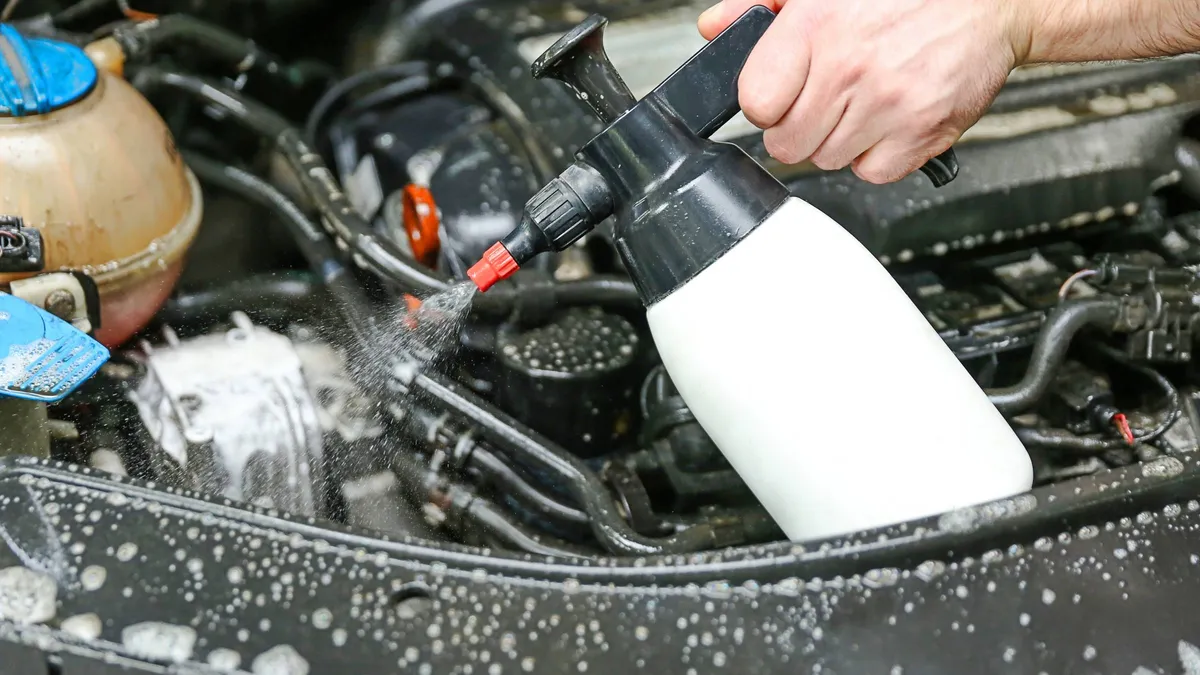
An engine bay collects oil mist, road film and dust until everything under the hood is the same shade of grey. Cleaning it is not just about looks. A clean bay makes leaks easy to spot, and a leak you can see early is a cheap repair instead of an expensive one. This guide compares five engine degreasers you can actually buy today: the Chemical Guys Signature Series Orange concentrate, the water based CRC Heavy Duty Pro-Strength foaming aerosol, the old-school Gunk Original spray, the biodegradable 3D Grand Blast gallon, and the very cheap Zep Cherry Bomb Auto+ gallon. We looked at what each formula is built from, how it is applied, whether the maker says it is safe on paint and plastic, and how much usable product you get for the money. We also cover the part most guides skip, which is how to clean an engine without creating an electrical fault.
Table of contents
- Quick picks
- How much degreaser you actually get
- Comparison table
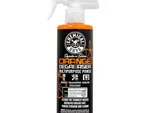
- Best Overall: Chemical Guys Signature Series Orange Degreaser Spray, 16 oz
- Best Aerosol Foam: CRC Heavy Duty Pro-Strength Degreaser Spray, 20 oz
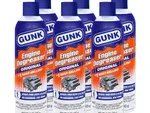
- Best for Old Greasy Engines: Gunk Original Engine Degreaser Spray, 15 oz, Case of 6
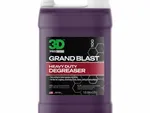
- Best Biodegradable Pick: 3D Grand Blast Engine Degreaser, 1 Gallon
- Best Value: Zep Cherry Bomb Auto+ Degreaser and Cleaner, 1 Gallon
- How we chose
- What to consider before buying
- Cover the electronics before you spray anything
- Cool engine, not cold and not hot
- Citrus, solvent and caustic do different jobs
- Final recommendation
- FAQ
Quick picks
Every pick wins a specific use case. Jump to the full review before you buy.
-
Best Overall
Chemical Guys Signature Series Orange Degreaser Spray, 16 oz
A citrus concentrate you can run full strength on a filthy engine bay or water down for light jobs, which makes one bottle cover most cleaning around a car.
-
Best Aerosol Foam
CRC Heavy Duty Pro-Strength Degreaser Spray, 20 oz
A water based foaming aerosol that clings where you point it and does not fill the garage with solvent fumes, which makes it the easiest can here to use indoors.
-
Best for Old Greasy Engines
Gunk Original Engine Degreaser Spray, 15 oz, Case of 6
The classic spray on and hose off degreaser built for old, leaky, oil-soaked engines that lighter cleaners barely touch.
-
Best Biodegradable Pick
3D Grand Blast Engine Degreaser, 1 Gallon
A gallon of heavy duty degreaser that 3D sells as biodegradable and safe on paint, rubber and plastic, which is a rare pair of claims in this category.
-
Best Value
Zep Cherry Bomb Auto+ Degreaser and Cleaner, 1 Gallon
A gallon of all purpose degreaser for about the price of a single small spray bottle, which makes it the cheapest way here to clean an engine bay.
Compare every pick
| Product | Award | Formula type | Container size | Safe on painted | Best for | Where to buy |
|---|---|---|---|---|---|---|
| Chemical Guys Signature Series Orange Degreaser Spray, 16 oz | Best Overall | Citrus scented concentrate with an orange scent | 16 oz trigger spray bottle | Listed for engines, wheels, tires, undercarriages and shop tools | Someone who wants one bottle that handles the engine bay, the wheel wells and greasy hand tools. | Check price for Chemical Guys Signature Series Orange Degreaser Spray, 16 oz at Amazon (affiliate link) |
| CRC Heavy Duty Pro-Strength Degreaser Spray, 20 oz | Best Aerosol Foam | Water based foaming formula with no harsh chemical smell | 20 oz aerosol can | Yes, listed for painted surfaces, chrome and stainless steel | Anyone cleaning an engine bay in a closed garage who does not want to breathe solvent for the rest of the day. | Check price for CRC Heavy Duty Pro-Strength Degreaser Spray, 20 oz at Amazon (affiliate link) |
| Gunk Original Engine Degreaser Spray, 15 oz, Case of 6 | Best for Old Greasy Engines | Deep penetrating original engine degreaser for baked on oil | 15 oz can, sold as a case of 6 | Not stated by the maker | Someone bringing a neglected engine back from years of oil weeping and road film, or cleaning several machines at once. | Check price for Gunk Original Engine Degreaser Spray, 15 oz, Case of 6 at Amazon (affiliate link) |
| 3D Grand Blast Engine Degreaser, 1 Gallon | Best Biodegradable Pick | Heavy duty biodegradable liquid, low odor and non staining | 128 oz jug, which is 1 gallon | Yes, listed safe on metal, plastic, paint and rubber | A detailer or careful owner who cleans engine bays often and wants the rinse water to be less of a problem. | Check price for 3D Grand Blast Engine Degreaser, 1 Gallon at Amazon (affiliate link) |
| Zep Cherry Bomb Auto+ Degreaser and Cleaner, 1 Gallon | Best Value | All purpose degreaser with a cherry scent that covers odors | 128 oz jug, which is 1 gallon | Yes, listed for painted metal, chrome, steel and rubber | Anyone who wants a lot of usable degreaser for very little money and does not mind supplying their own spray bottle. | Check price for Zep Cherry Bomb Auto+ Degreaser and Cleaner, 1 Gallon at Amazon (affiliate link) |
Swipe sideways to compare every column.
Best Overall
Chemical Guys Signature Series Orange Degreaser Spray, 16 oz
by Chemical Guys
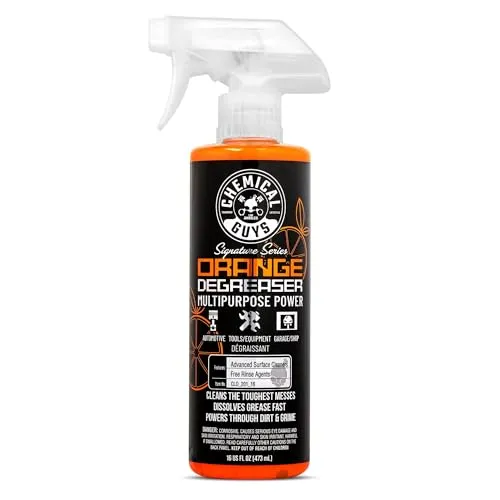
A citrus concentrate you can run full strength on a filthy engine bay or water down for light jobs, which makes one bottle cover most cleaning around a car.
What we like
- Concentrated formula lets you run it strong on baked grease and weak on light dust, so one bottle does two jobs
- Trigger bottle gives you close control, which matters when you are trying to keep spray off the alternator
- Listed for engines, wheels, tires, undercarriages and shop tools, so it does not sit unused between engine cleans
- Very strong seller on Amazon, which usually means the formula has not quietly changed
What we don't
- The 16 oz bottle empties fast if you soak a truck engine at full strength
- Chemical Guys does not publish a dilution ratio, so getting the mix right takes a bit of trial and error
- The maker does not list it as biodegradable, so it is a poor choice for a driveway that drains to the street
| Formula type | Citrus scented concentrate with an orange scent |
|---|---|
| Container size | 16 oz trigger spray bottle |
| Application method | Spray, scrub, then rinse |
| Dilution ratio | Dilute for light cleaning or use full strength on heavy grease |
| Safe on painted | Listed for engines, wheels, tires, undercarriages and shop tools |
| Price bracket | $ |
This is our Best Overall pick because it is the most flexible bottle in the group. Chemical Guys sells it as a concentrate. Run it neat on a valve cover that has been weeping oil for years, or cut it with water for a bay that just needs the dust knocked off. Most degreasers give you one strength and that is it.
The trigger sprayer matters more than it sounds. Engine cleaning is not a case of hosing everything down. You want the chemical on the greasy metal and nowhere near the alternator, the fuse box or the intake. A trigger bottle lets you place it. Aerosol cans fog a wider area, which is faster but harder to aim.
The sales rank is worth noting too. It sits inside the top 400 of its Amazon category, which is real evidence that a lot of people buy it and keep buying it. We do not have star ratings or review counts to lean on here, so a strong rank is the honest signal available.
Two things hold it back. Sixteen ounces is not much once you start soaking a full-size truck engine, so a heavy job can eat most of the bottle. And Chemical Guys does not print a dilution ratio on the listing, so the first time you water it down you are guessing. Start weak and add more.
The other gap is environmental. The listing does not claim the formula is biodegradable. If you clean on a driveway that runs straight into a storm drain, the 3D Grand Blast pick is the more responsible buy.
Buy this if you want one product that covers the engine bay and everything else greasy in the garage. Skip it if you clean fleet vehicles or work on a shop floor, because you will spend far more per ounce than a gallon buyer does.
Research-based pick: this recommendation is based on product data, owner feedback and comparison with products we have tested, not on direct hands-on testing.
Buy it if: Someone who wants one bottle that handles the engine bay, the wheel wells and greasy hand tools.
Skip it if: You need to clean several vehicles or a shop floor, where a gallon jug costs far less per ounce.
Best Aerosol Foam
CRC Heavy Duty Pro-Strength Degreaser Spray, 20 oz
by CRC
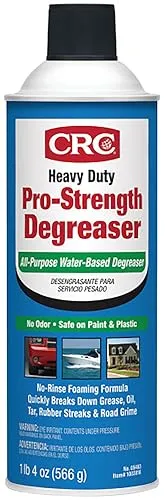
A water based foaming aerosol that clings where you point it and does not fill the garage with solvent fumes, which makes it the easiest can here to use indoors.
What we like
- Foam sticks to vertical surfaces instead of running straight off onto the floor
- Water based formula, so it does not leave the harsh solvent smell that hangs around a closed garage
- Listed as safe on painted surfaces, chrome and stainless, so overspray on a fender is less of a worry
- Aerosol pressure pushes cleaner into seams and around bolt heads without you touching anything
What we don't
- Twenty ounces of aerosol is one engine bay, maybe two, so a big job needs more than one can
- Aerosol gives you less control than a trigger bottle, and overspray onto connectors is easy
- You cannot dilute it for a light clean, so gentle jobs use full strength product
| Formula type | Water based foaming formula with no harsh chemical smell |
|---|---|
| Container size | 20 oz aerosol can |
| Application method | Aerosol foam sprayed straight from the can |
| Dilution ratio | Ready to use, no mixing |
| Safe on painted | Yes, listed for painted surfaces, chrome and stainless steel |
| Price bracket | $ |
Foam is the point of this can. A liquid degreaser sprayed onto the side of a block runs down and pools on the crossmember within seconds. Foam grabs the metal and stays there, which gives the chemical time to break the grease apart instead of just wetting it. On vertical surfaces that difference is large.
CRC also built this one water based, and calls out that it avoids a harsh chemical smell. That reads like marketing until you have used a solvent degreaser with the garage door shut. Fumes from a strong solvent can will still be with you an hour later. This one is a much better neighbor.
The listing covers painted surfaces, chrome and stainless as well as engine parts, so a bit of overspray onto a fender or a valve cover is not a panic. That is not true of every degreaser, and it is one of the reasons this can suits people working in tight spaces where the spray cannot always be aimed perfectly.
The trade-off is quantity and control. Twenty ounces goes quickly, and one can is realistically one engine bay unless the engine is fairly clean to start with. Aerosols also spray in a cone. You cannot lay down a precise line the way a trigger bottle can, and around a fuse box or an alternator that precision is exactly what you want. Cover those parts before you press the button.
You also lose the option to water it down. Full strength is the only strength, so a light dusty bay gets the same chemical as a caked one.
Buy it for indoor work and for engines with a lot of vertical surface to clean. Skip it if you are trying to keep chemical away from delicate electrical parts, where the Chemical Guys trigger bottle is easier to aim.
Research-based pick: this recommendation is based on product data, owner feedback and comparison with products we have tested, not on direct hands-on testing.
Buy it if: Anyone cleaning an engine bay in a closed garage who does not want to breathe solvent for the rest of the day.
Skip it if: You want to control exactly where the chemical lands, where a trigger sprayer beats any aerosol.
Best for Old Greasy Engines
Gunk Original Engine Degreaser Spray, 15 oz, Case of 6
by Gunk
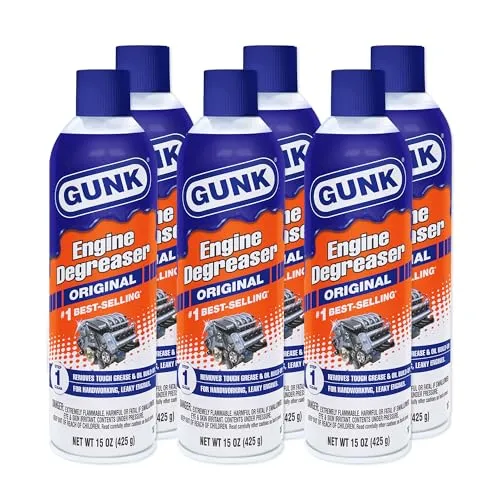
The classic spray on and hose off degreaser built for old, leaky, oil-soaked engines that lighter cleaners barely touch.
What we like
- Built specifically for older engines with years of baked on oil, which is the job most cleaners fail at
- Simple method that works without scrubbing, so you spray, wait 10 to 15 minutes and rinse
- A case of six cans means you can do a full bay, the undercarriage and a mower without running out
- Long-running formula from a brand that has been making engine degreaser for decades
What we don't
- Only sold as a case of six here, so a person with one clean car is buying far more than they need
- Gunk does not list it as safe on painted surfaces, so overspray onto bodywork is a real risk
- The full rinse step means a lot of oily water, which needs somewhere legal to go
- Not listed as biodegradable, so it is the worst pick here for a driveway that drains to the street
| Formula type | Deep penetrating original engine degreaser for baked on oil |
|---|---|
| Container size | 15 oz can, sold as a case of 6 |
| Application method | Saturate, wait 10 to 15 minutes, then hose off |
| Biodegradable | Not stated by the maker |
| Safe on painted | Not stated by the maker |
| Price bracket | $ |
There is a difference between a dirty engine and a greasy one. A dirty engine has dust and road film on it, and almost anything will clean that. A greasy engine has oil that has cooked onto hot metal for years, and most sprays will not shift it. This is the can for the second kind.
Gunk keeps the method simple. Soak the engine, wait 10 to 15 minutes for the formula to work through the oil, then rinse it off with a hose. No scrubbing, no brushes, no second pass. That waiting period is not optional. People who spray and rinse straight away get poor results and blame the product.
The case of six is the awkward part. If you own one reasonably clean car, you are buying five more cans than you need. It makes sense if you have a project truck, a mower, a tractor and a couple of vehicles to work through, or if you split it with someone. For a single tidy engine, one of the other picks here is the smarter buy.
Read the listing carefully on what it does not say. Gunk does not describe this formula as safe on paint, and it does not call it biodegradable. Both matter. Keep it off your bodywork, and think hard about where the rinse water ends up before you start. This is not a driveway product if that driveway drains into a street gutter.
The rinse itself needs care too. Do not blast a modern engine bay with a pressure washer to speed things up. Use a normal garden hose at low pressure and cover the alternator, fuse box and any exposed connectors first.
Buy it for a genuinely oil-soaked engine, or when you have several machines to clean. Skip it if your bay is mostly plastic covers with a light layer of dust.
Research-based pick: this recommendation is based on product data, owner feedback and comparison with products we have tested, not on direct hands-on testing.
Buy it if: Someone bringing a neglected engine back from years of oil weeping and road film, or cleaning several machines at once.
Skip it if: Your engine is fairly clean and you only need to knock dust off plastic covers.
Best Biodegradable Pick
3D Grand Blast Engine Degreaser, 1 Gallon
by 3D
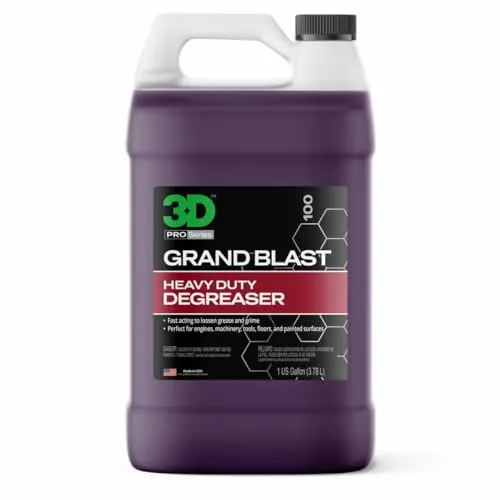
A gallon of heavy duty degreaser that 3D sells as biodegradable and safe on paint, rubber and plastic, which is a rare pair of claims in this category.
What we like
- Sold as biodegradable, which is the only pick here that makes that claim
- Listed safe on metal, plastic, paint and rubber, so a slip of the sprayer is not a repair bill
- Described as non staining and low odor, useful on aluminium and polished exhaust tips
- A full gallon covers many engine bays, so the cost per clean is low despite the higher shelf price
What we don't
- Costs about three times a single spray bottle up front, which is a lot if you clean one engine a year
- Arrives as a plain jug with no sprayer, so you need to supply your own bottle
- 3D gives no dilution ratio on the listing, so you are guessing at the right mix for light jobs
| Formula type | Heavy duty biodegradable liquid, low odor and non staining |
|---|---|
| Container size | 128 oz jug, which is 1 gallon |
| Biodegradable | Yes, sold as biodegradable and environmentally friendly |
| Safe on painted | Yes, listed safe on metal, plastic, paint and rubber |
| Dilution ratio | No ratio stated on the listing |
| Price bracket | $ |
Most engine degreasers are quiet about two things. Whether they will stain or discolor the surfaces around the grease, and what happens to the chemical after it runs off your car. Grand Blast answers both on the listing, and that is why it earns a spot here.
3D calls the formula biodegradable and describes it as safe on metal, plastic, paint and rubber, with no staining or discoloration. In an engine bay that mix of surfaces is exactly what you are dealing with. Painted valve covers, plastic shrouds, rubber hoses, aluminium castings and bare steel all sit within a few inches of each other. A degreaser that is only rated for bare metal makes every trigger pull a small decision.
The gallon changes the math too. At around thirty-seven dollars it is the most expensive item in this guide by shelf price, and one of the cheapest per ounce. If you clean an engine bay every few months, or you also use it on wheels, wheel wells and exhaust tips, the jug lasts a long time.
What you do not get is convenience. There is no trigger head on a gallon jug, so you need to decant it into your own spray bottle before you can use it. 3D also does not publish a dilution ratio, which is annoying on a product this concentrated. The safe approach is to mix weak, test on a small area, and step it up until it cleans.
The environmental claim is worth reading precisely. Biodegradable means the chemistry breaks down. It does not mean the oil and grease you just washed off the engine is harmless. That mixture is still what regulators care about, so where you rinse still matters.
Buy this if engine cleaning is a regular job for you, or if you want the safest option for the surfaces around the grease. Skip it if this is a one-off clean, where a small bottle costs a fraction as much.
Research-based pick: this recommendation is based on product data, owner feedback and comparison with products we have tested, not on direct hands-on testing.
Buy it if: A detailer or careful owner who cleans engine bays often and wants the rinse water to be less of a problem.
Skip it if: You clean an engine once every couple of years and would rather spend under ten dollars.
Best Value
Zep Cherry Bomb Auto+ Degreaser and Cleaner, 1 Gallon
by Zep
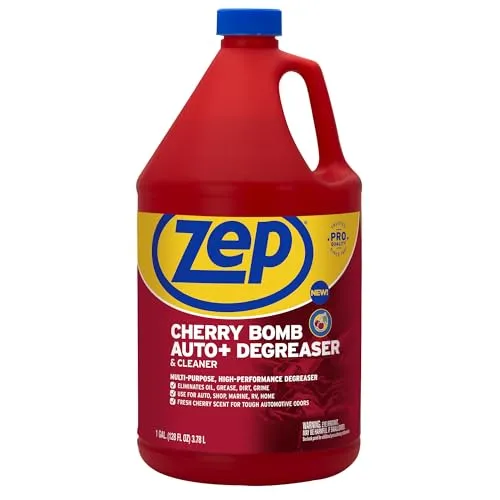
A gallon of all purpose degreaser for about the price of a single small spray bottle, which makes it the cheapest way here to clean an engine bay.
What we like
- A full gallon for around eleven dollars, which is the lowest cost per ounce in this guide by a wide margin
- Listed for painted metal, chrome, steel, fiberglass and rubber, so it suits mixed surfaces in a bay
- Doubles as a garage floor, grill and shop tool cleaner, so leftover product does not sit unused
- The cherry scent covers old oil smell rather than adding solvent fumes on top of it
What we don't
- No sprayer included, so you have to decant it into a bottle before the first use
- Zep publishes no dilution ratio on the listing, which makes the right mix a guess
- It is a general purpose degreaser rather than an engine specific one, so it works slower on cooked-on oil than the Gunk pick
- Not listed as biodegradable, so the rinse water still needs somewhere legal to go
| Formula type | All purpose degreaser with a cherry scent that covers odors |
|---|---|
| Container size | 128 oz jug, which is 1 gallon |
| Application method | Decant into a spray bottle or bucket, then rinse |
| Dilution ratio | No ratio stated on the listing |
| Safe on painted | Yes, listed for painted metal, chrome, steel and rubber |
| Price bracket | $ |
Price is the headline here. A gallon of Cherry Bomb costs roughly what a small aerosol can costs, which means you get around eight times the product for the same money. For most people cleaning a normal engine bay, that is the practical answer.
The formula is general purpose rather than engine specific. Zep lists it for fiberglass, steel, chrome, stainless, painted metal, rubber and finished concrete, which covers nearly everything under a hood and most of what is in a garage. Cars, RVs, boats, grills, garage doors and shop tools all appear on the label. It is a jug you will keep using long after the engine is clean.
That breadth is also its limit. A cleaner designed to handle everything is rarely the fastest at any one thing. On an engine with years of cooked oil around the valve covers, this will need more dwell time and more scrubbing than the Gunk pick, which is built for exactly that mess. On a bay with road film and light grease it does the job fine.
Two practical notes. There is no trigger sprayer, so buy a cheap chemical resistant bottle or you will be pouring degreaser out of a gallon jug onto an engine, which is a bad time. And Zep does not give a dilution ratio, so start weak on painted or plated parts.
The cherry scent is genuinely useful in a way that sounds silly. Old engine oil smells, and the alternative to a scent is usually a solvent smell that is worse. This one is not subtle, though, so if strong fragrances bother you, the CRC can is the low odor choice.
Buy it if you want the most degreaser for the least money and you have general cleaning to do beyond the engine. Skip it if the engine is genuinely oil-soaked and you want the fastest possible result.
Research-based pick: this recommendation is based on product data, owner feedback and comparison with products we have tested, not on direct hands-on testing.
Buy it if: Anyone who wants a lot of usable degreaser for very little money and does not mind supplying their own spray bottle.
Skip it if: You are attacking twenty years of baked on oil, where a purpose built engine formula works faster.
How we chose#
This is a research-based guide, not a workshop test. We started with the engine degreasers that are actually selling on Amazon right now, then read every listing closely for the things that decide whether a product suits your job: what the formula is built from, how it is applied, how much you get, and which surfaces the maker will and will not stand behind.
We spread the five picks across different jobs rather than ranking five similar sprays. That gives you one citrus concentrate you can dilute, one water based foaming aerosol, one old-school heavy duty spray for oil-soaked engines, one biodegradable gallon, and one very cheap gallon. Where a maker does not state something, such as a dilution ratio or whether a formula is safe on paint, we say so instead of filling in the blank. A missing claim is information too.
We also did not use star ratings or review counts anywhere in this guide, because the data we pulled did not include them. Where a product is clearly popular, such as the Chemical Guys Signature Series Orange sitting inside the top 400 of its category, we say that plainly and leave it there.
What to consider before buying#
Start with how dirty the engine actually is. There is a real difference between dust and road film, which almost anything will clean, and oil that has cooked onto a hot block for a decade. The first job suits the Zep or the CRC. The second is what Gunk Original was built for, and lighter cleaners will just move it around.
Next look at how the product comes out of the container. Aerosols foam and cling, which is a genuine advantage on the vertical sides of a block, but they spray in a cone and you cannot aim them precisely. Trigger bottles let you place chemical exactly where the grease is and keep it off the alternator. Gallon jugs give you the most product for the money and no sprayer at all, so budget a few dollars for a chemical resistant bottle.
Then check what the maker says about surfaces. An engine bay is painted metal, bare aluminium, plastic covers and rubber hoses all within a few inches of each other. 3D and Zep both list paint, plastic and rubber as safe. Gunk does not make that claim, so keep it off your bodywork.
Finally, think about size honestly. A 16 oz bottle is plenty for one tidy car. It is not enough for a truck engine you plan to soak. A gallon is cheaper per ounce, but only if you use it.
Cover the electronics before you spray anything#
Here is the part most engine cleaning advice glosses over. Pressure washing a modern engine bay causes real electrical faults. Not sometimes, not in theory. High pressure water gets past connector seals that were designed to shed rain, not to survive a 2000 PSI jet at close range, and the result is corrosion in a plug that may not show up as a fault for weeks. By then nobody connects the misfire to the wash.
The fix is not to skip cleaning. It is to lower the pressure and cover the parts that matter. Before any chemical comes out, put plastic bags over the alternator, the fuse box, the air intake, the coil packs and the battery terminals, and hold them on with elastic bands. If you own a pressure washer for washing the car itself, leave it in the garage for this job and use a normal garden hose instead.
Rinse from the side, not from above, so water runs off the engine rather than down into the valley where connectors sit. When you are done, pull the bags off and let the bay dry properly before you start the engine. A leaf blower speeds this up. Starting a soaking wet engine is how you turn a clean bay into a rough idle.
Cool engine, not cold and not hot#
Temperature changes how well every product in this guide works, and most people get it wrong in one of two directions.
A stone cold engine holds grease as a stiff, waxy layer. The degreaser sits on top of it and takes much longer to work through. You will scrub more and get a worse result.
A hot engine is the bigger mistake. Metal that has just been at operating temperature flash dries the cleaner within seconds. The water evaporates, the chemical concentrates and dries onto the surface, and you are left with streaks and a dull film that is genuinely harder to remove than the original grease. On aluminium it can leave marks that do not come off.
The window you want is warm. Run the engine for two or three minutes, shut it off, and wait until you can comfortably rest your hand on the valve cover. That warmth thins the oil enough for the degreaser to bite, without drying it out. Work one section at a time so nothing sits long enough to dry, and keep a hose nearby.
Citrus, solvent and caustic do different jobs#
Degreasers are usually one of three chemistries, and knowing which you are holding explains most of what happens next.
Citrus cleaners use d-limonene, an oil pressed from orange peel, to dissolve grease. The Chemical Guys Signature Series Orange is the example here. They smell like oranges, they are gentler on paint and rubber, and they work well on everyday oil film. On decades of baked deposits they need more dwell time.
Solvent degreasers dissolve oil directly and quickly. Gunk Original is the classic. They are the fastest option on cooked deposits and the roughest on finishes and rubber, which is why solvent products often go quiet on paint safety.
Caustic cleaners use a strong alkali to turn grease into soap that rinses away. They are cheap and effective, and they can stain or etch bare aluminium if left to dry. Water based foaming products like the CRC can usually sit in a milder version of this family, built to clean hard without being aggressive on surfaces.
There is one more thing that no chemistry fixes, and it is where the dirty water goes. The runoff from an engine clean is oil, fuel residue and degreaser, and in most US towns a storm drain empties into a creek without any treatment. Some cities issue fines for it. Cleaning on grass or gravel lets the ground catch some of it, and a self-serve car wash bay drains to the sewer where the water is treated. Of the picks here, only 3D Grand Blast is sold as biodegradable, and even that does not make the oil you just washed off harmless. Once the bay is clean, a proper wash with a pH neutral car wash soap will take any overspray off your paint.
Final recommendation#
For most people, the Chemical Guys Signature Series Orange is the right buy. It is a concentrate, so one bottle handles a heavy job at full strength and a light one watered down, and the trigger sprayer lets you keep chemical away from the alternator. If you are working in a closed garage and do not want solvent fumes hanging around, the CRC Heavy Duty Pro-Strength foam is water based, low odor and clings to vertical surfaces. If the engine is genuinely oil-soaked after years of weeping seals, buy the Gunk Original case and use the full 10 to 15 minute soak, because the lighter cleaners will not touch that. If you clean engine bays regularly and want the safest formula for the paint, plastic and rubber around the grease, the 3D Grand Blast gallon is the pick, and it is the only one here sold as biodegradable. And if you simply want the most usable degreaser for the least money, the Zep Cherry Bomb gallon costs about the same as one small aerosol can and will still be in the garage next year. Whichever you buy, get the car up on a set of ramps if you plan to clean the undercarriage too, and cover the electrics before you spray.
Frequently asked questions
Is it safe to wash an engine bay at all?
Yes, if you do it carefully. The risk is not water in general, it is water forced into places water does not belong. Cover the alternator, the fuse box, the air intake and any exposed connectors with plastic bags before you start. Use a garden hose at normal pressure, never a pressure washer. Rinse from the side rather than straight down into electrical parts. Modern connectors are sealed against rain, and a low pressure rinse is close to heavy rain. A pressure washer is not.
Should the engine be hot or cold when I degrease it?
Warm, not hot. A stone cold engine lets grease sit hard and thick, so the cleaner works slowly. A hot engine is worse, because the metal flash dries the degreaser before it can lift anything and leaves streaks that are harder to remove than the grease was. Run the engine for a couple of minutes, then shut it off and let it sit until you can rest your hand on the valve cover. That is the window where every product in this guide works best.
What is the difference between citrus, solvent and caustic degreasers?
Citrus cleaners like the Chemical Guys Signature Series Orange use d-limonene from orange peel to dissolve oil. They smell better and are gentler on paint. Solvent degreasers such as Gunk Original attack cooked-on oil harder and faster, and are rougher on rubber and finishes. Caustic cleaners work by turning grease into soap using a strong alkali, which cleans well but can stain aluminium. For a home engine bay, citrus or a water based foam covers almost every job.
Do I need to dilute engine degreaser?
It depends on the product. The Chemical Guys concentrate is designed to be watered down for light cleaning or used full strength on heavy grease, so diluting saves money. Aerosols like the CRC can and the Gunk spray are ready to use and cannot be diluted. The 3D and Zep gallons are strong liquids that most people water down, but neither maker publishes a ratio, so mix weak first and test on a small area before you commit to a whole bay.
Where should the dirty rinse water go?
Not down a storm drain. Storm drains in most US towns run straight to a creek or river with no treatment, and the runoff from an engine clean is oil, fuel residue and degreaser. Many municipalities fine people for it. The safer approach is to work on grass or gravel where the ground filters some of it, or to clean at a car wash bay that sends water to the sewer. Only the 3D Grand Blast pick claims to be biodegradable, and even that does not make the oil harmless.
Do I need to cover the engine parts if my car is new?
Yes, and arguably more so. Older carbureted engines had fewer electronics to ruin. A modern bay is full of sensors, coil packs and control modules, and a single corroded connector can throw a fault code that takes hours to trace. Cover the alternator, fuse box, intake, coil packs and battery terminals with plastic bags and elastic bands. It takes five minutes and it removes almost all of the risk of the job.
About the author

Dale Harper Lead Gear Editor
Dale is a longtime truck owner and former accessory-shop tech who builds these guides from manufacturer fit data, aggregated owner feedback and direct spec comparison. Research-based picks are always labelled as such.
Daily driver: 2022 Ford F-150 XLT SuperCrew
- Tonneau covers and bed accessories
- Seat covers and interior protection
- Lift kits and suspension