The Best Pressure Washers for Cars: 5 Picks Compared
Five real pressure washers for washing cars compared on pressure, water flow, foam and portability, with honest notes on what is safe for paint.

A pressure washer makes washing a car faster and safer than a sponge and a bucket, but only if you buy the right kind. Most of the listings you see promise huge pressure numbers, and pressure is the one spec that can actually damage your paint. This guide compares five real machines sold on Amazon for car washing: the Westinghouse ePX3100v with its included foam cannon, the CETA certified Karcher K1700B, the low-cost Greenworks 1700 PSI unit, the high-flow Active 2.0 built for detailing, and the WORX WG647 Hydroshot for people with no faucet or outlet. We compared them on working pressure, water flow in gallons per minute, how they deliver soap, where they get their water, and how they store. By the end you will know why flow matters more than pressure on paint, which machine matches how often you wash, and which ones are honest about their numbers.
Table of contents
- Quick picks
- Water flow compared
- Comparison table
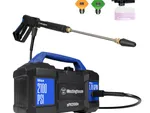
- Best Overall: Westinghouse ePX3100v Electric Pressure Washer
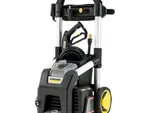
- Best for Gentle Weekly Washing: Karcher K1700B Electric Pressure Washer
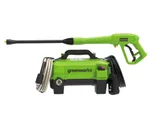
- Best Budget: Greenworks 1700 PSI Electric Pressure Washer
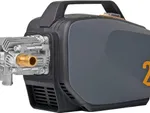
- Best for Serious Detailing: Active 2.0 Electric Pressure Washer
- Best for Washing Away From a Faucet: WORX WG647 Hydroshot 40V Cordless Power Cleaner
- How we chose
- What to consider before buying
- Flow beats pressure on paint
- Corded or cordless
- Soap, nozzles and what actually causes swirl marks
- Final recommendation
- FAQ
Quick picks
Every pick wins a specific use case. Jump to the full review before you buy.
-
Best Overall
Westinghouse ePX3100v Electric Pressure Washer
The best mix of car-safe pressure, real water flow and included foam cannon for someone who wants one washer that handles the car and the driveway.
-
Best for Gentle Weekly Washing
Karcher K1700B Electric Pressure Washer
A CETA certified 1700 PSI cube from a pump maker with decades of history, built for people who wash the same car every week and never want to worry about the paint.
-
Best Budget
Greenworks 1700 PSI Electric Pressure Washer
The cheapest pick here that still comes from a real outdoor power brand with parts support, and it has enough pressure for a normal weekend car wash.
-
Best for Serious Detailing
Active 2.0 Electric Pressure Washer
A 2.0 GPM machine tuned around paint rather than concrete, giving the water volume detailers want at a pressure that will not carve up a panel.
-
Best for Washing Away From a Faucet
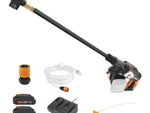
WORX WG647 Hydroshot 40V Cordless Power Cleaner
A handheld battery cleaner that draws water from a bucket, lake or barrel, which makes it the only pick here that works in an apartment lot or at a campsite.
Compare every pick
| Product | Award | Power source | Max pressure | Max flow | Soap delivery | Water source | Best for | Where to buy |
|---|---|---|---|---|---|---|---|---|
| Westinghouse ePX3100v Electric Pressure Washer | Best Overall | Corded electric, 120V | 2100 PSI | 1.76 GPM | Detachable foam cannon included | Garden hose | Someone who washes a car most weekends and also wants enough water to clean a driveway, patio or fence without buying a second machine. | Check price for Westinghouse ePX3100v Electric Pressure Washer at Amazon (affiliate link) |
| Karcher K1700B Electric Pressure Washer | Best for Gentle Weekly Washing | Corded electric, 120V | 1700 PSI | 1.2 GPM | Onboard detergent tank | Garden hose | Owners of a newer car, a leased vehicle or a wrapped car who wash often and want the lowest risk of pressure damage. | Check price for Karcher K1700B Electric Pressure Washer at Amazon (affiliate link) |
| Greenworks 1700 PSI Electric Pressure Washer | Best Budget | Corded electric, 120V | 1700 PSI | 1.2 GPM | No tank or cannon included, add your own foam cannon | Garden hose | A first pressure washer for someone who washes a car every few weeks and does not want to spend much to find out if they will use it. | Check price for Greenworks 1700 PSI Electric Pressure Washer at Amazon (affiliate link) |
| Active 2.0 Electric Pressure Washer | Best for Serious Detailing | Corded electric, 120V | 1800 PSI | 2.0 GPM | No onboard tank, pairs with a separate foam cannon | Garden hose | A hobby detailer or someone who washes several vehicles and wants foam to rinse in one pass instead of three. | Check price for Active 2.0 Electric Pressure Washer at Amazon (affiliate link) |
| WORX WG647 Hydroshot 40V Cordless Power Cleaner | Best for Washing Away From a Faucet | Cordless, two 20V Power Share batteries paired for 40V | 800 PSI | 1.0 GPM | Soap setting on the 5-in-1 nozzle | Garden hose, or a bucket or barrel through the draw hose | Apartment dwellers, campers, boat owners and anyone who has to wash a vehicle where there is no faucet or outdoor outlet. | Check price for WORX WG647 Hydroshot 40V Cordless Power Cleaner at Amazon (affiliate link) |
Swipe sideways to compare every column.
Best Overall
Westinghouse ePX3100v Electric Pressure Washer
by Westinghouse
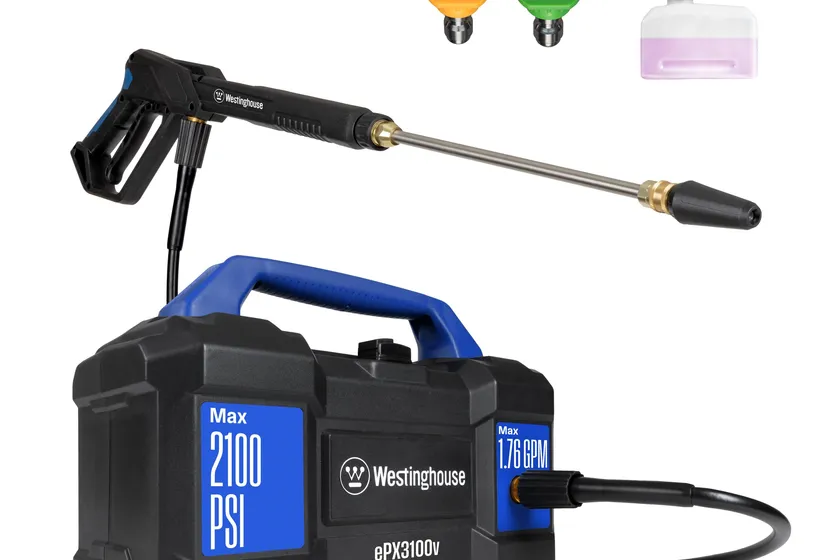
The best mix of car-safe pressure, real water flow and included foam cannon for someone who wants one washer that handles the car and the driveway.
What we like
- 1.76 GPM is well above the 1.2 GPM most budget washers push, so soap and grit rinse off faster
- The detachable foam cannon comes in the box, so you are not buying a second accessory to get thick foam
- Steel spray wand instead of the plastic wands that crack at the trigger connection
- Compact body with a carry handle fits on a garage shelf between washes
What we don't
- 2100 PSI at the tip is enough to lift failing clear coat or old paint if you get too close
- The included hose is short enough that you will be dragging the unit around a full-size truck
- No wheels, so you carry it rather than roll it across the driveway
| Power source | Corded electric, 120V |
|---|---|
| Max pressure | 2100 PSI |
| Max flow | 1.76 GPM |
| Soap delivery | Detachable foam cannon included |
| Water source | Garden hose |
| Price bracket | $$ |
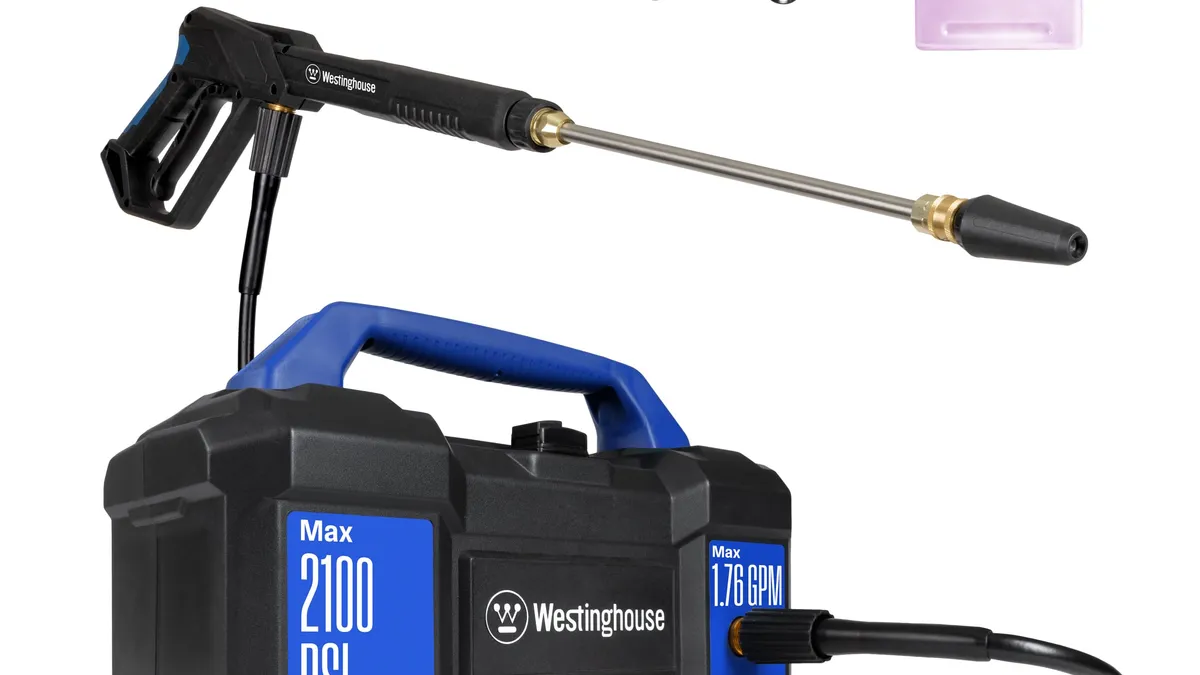
The Westinghouse ePX3100v wins Best Overall because it fixes the one number most cheap car washers get wrong. Pressure gets all the marketing, but flow does the actual work of carrying dirt off the panel. At 1.76 GPM this unit moves close to 50 percent more water per minute than the 1.2 GPM machines that fill this price range, and you feel that most when you are rinsing a foam layer off a full-size SUV.
The second reason it wins is what comes in the box. The foam cannon is included and it detaches, so a normal car wash is a two-step job right out of the carton: foam the car, swap the cannon for a nozzle, rinse. Several rivals here make you buy the cannon separately, which quietly adds to the real cost.
The honest limitation is that 2100 PSI is more pressure than paint needs. Held close, that tip will lift peeling clear coat, chip a stone-damaged edge or force water past old trim seals. Keep the wand about a foot back and use the wider nozzles on paint, and it is fine. The other real gripe from owners is the short hose. Around a compact car that is a non-issue, but on a crew cab truck you will pick the machine up and move it two or three times per wash.
Buy it if you want one machine for the car and the rest of the property and you would rather have the extra flow than the extra pressure. Skip it if paint safety is your only concern and you want a lower-pressure unit, where the Karcher K1700B suits better, or if you need to wash where there is no faucet, which is the WORX Hydroshot’s job.
Research-based pick: this recommendation is based on product data, owner feedback and comparison with products we have tested, not on direct hands-on testing.
Buy it if: Someone who washes a car most weekends and also wants enough water to clean a driveway, patio or fence without buying a second machine.
Skip it if: You only ever wash paint and want the gentlest option, where the Karcher K1700B is the safer buy.
Best for Gentle Weekly Washing
Karcher K1700B Electric Pressure Washer
by Karcher
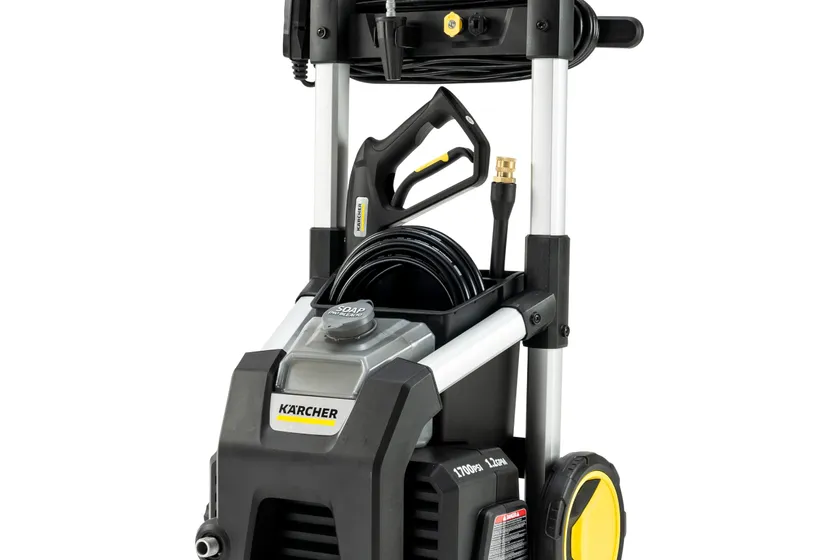
A CETA certified 1700 PSI cube from a pump maker with decades of history, built for people who wash the same car every week and never want to worry about the paint.
What we like
- 1700 PSI is high enough to strip road film but low enough to be forgiving on older clear coat and vinyl wrap
- CETA certification means the pressure and flow numbers are verified rather than marketing peaks
- Onboard detergent tank saves swapping to a foam cannon for a quick maintenance wash
- Wheels and a telescoping handle, so it rolls to the car instead of being carried like every other pick here
What we don't
- 1.2 GPM rinses noticeably slower than the Westinghouse or Active on a big vehicle
- Only three spray nozzles, so there is no turbo tip for caked mud in the wheel wells
- The soap tank feeds thin suds, not the thick foam a dedicated cannon produces
| Power source | Corded electric, 120V |
|---|---|
| Max pressure | 1700 PSI |
| Max flow | 1.2 GPM |
| Soap delivery | Onboard detergent tank |
| Water source | Garden hose |
| Price bracket | $$ |
The K1700B is the pick for people whose only real job is the car, and who would rather take an extra five minutes than risk a mark on the paint. Karcher builds pressure washer pumps for a living, and this unit is tuned around that: 1700 PSI and 1.2 GPM is a mild combination by 2026 standards, which is exactly the point on a soft factory clear coat or a wrap.
What sets it apart in this group is that the numbers are verified. CETA certification means the pressure and flow are measured to a published standard, not the “max” figures that let no-name listings advertise 5000 PSI from a 13 amp motor. When you compare this washer against those, you are comparing a real number to a made-up one.
The design detail owners like most is that it rolls. Every other pick in this guide is a box you pick up and carry, but the K1700B has wheels and a telescoping handle, and the hose, cord and gun stow on the frame. It goes out to the car and back to the wall as one piece instead of a tangle. The soap tank on board means a quick maintenance wash does not require setting up a foam cannon.
The real limitation is speed. At 1.2 GPM you are rinsing with about two thirds of the water the Westinghouse moves, and on a big SUV or a dirty truck that gap adds minutes to every wash. Three nozzles also means no turbo tip, so heavy mud in the wheel wells needs patience or a brush.
Buy it if you wash a car you care about, often, and paint safety beats speed. Pick the Westinghouse ePX3100v instead if you also want to clean the driveway, or the Active 2.0 if you are chasing detailing-grade flow.
Research-based pick: this recommendation is based on product data, owner feedback and comparison with products we have tested, not on direct hands-on testing.
Buy it if: Owners of a newer car, a leased vehicle or a wrapped car who wash often and want the lowest risk of pressure damage.
Skip it if: You wash a muddy truck or need to clean a driveway too, where the extra flow of the Westinghouse ePX3100v or Active 2.0 matters more.
Best Budget
Greenworks 1700 PSI Electric Pressure Washer
by Greenworks
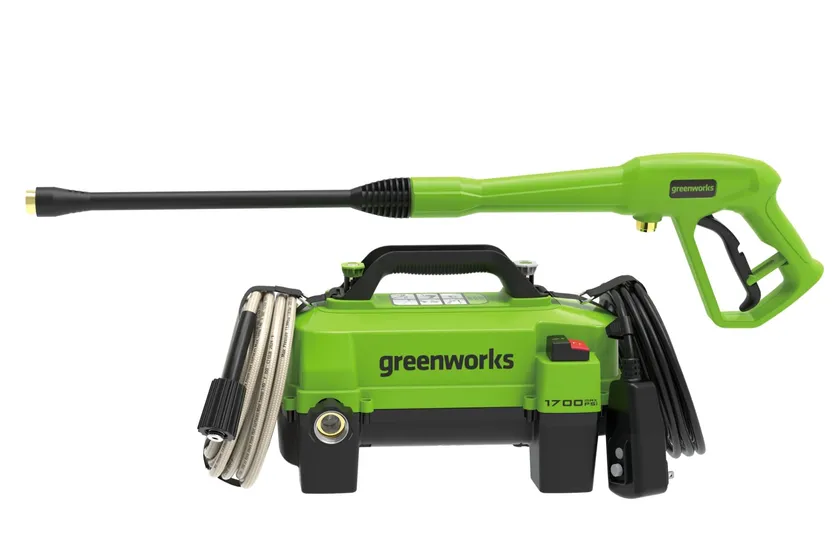
The cheapest pick here that still comes from a real outdoor power brand with parts support, and it has enough pressure for a normal weekend car wash.
What we like
- Lowest price in this guide while still carrying a known brand name and a parts catalog behind it
- 1700 PSI is a sensible pressure for paint, not an inflated marketing number
- Light enough to carry out with one hand and store on a shelf
- Hose and cord hook onto the body, so the whole kit goes back on the shelf as one piece
What we don't
- 1.2 GPM makes rinsing slow, and it is the same flow as the more expensive Karcher
- No foam cannon and no soap tank in the box, so budgeting for a cannon eats part of the savings
- A single adjustable wand tip instead of a set of color-coded quick connect nozzles, which limits spray control
| Power source | Corded electric, 120V |
|---|---|
| Max pressure | 1700 PSI |
| Max flow | 1.2 GPM |
| Soap delivery | No tank or cannon included, add your own foam cannon |
| Water source | Garden hose |
| Price bracket | $ |
The Greenworks 1700 PSI unit is the budget answer, and it earns that award by being the cheapest machine here that is not from a brand you have never heard of. That matters more than it sounds. The bottom of the pressure washer market is full of listings claiming 4800 or 5000 PSI from a small motor, sold under names that vanish in a year, leaving you with no O rings, no gun and no replacement hose. Greenworks has been building this line for over a decade and sells parts for it.
Its spec sheet is honest rather than exciting: 1700 PSI and 1.2 GPM, which is the same working combination as the Karcher K1700B at a lower price. For a normal car that is enough. Road film, bug splatter and light winter salt all come off. The flat body has hooks for the hose and cord, so the whole thing stores as one piece.
The honest limitations are speed and accessories. At 1.2 GPM, rinsing a foamed sedan takes real time and a three-row SUV feels like work. It also ships with a single adjustable wand tip rather than a set of color-coded nozzles, and there is no soap tank or foam cannon, so a proper foam pre-soak needs a separate purchase. By the time you add a cannon the price gap to the Westinghouse narrows.
Buy it if you are new to pressure washing, wash occasionally, and want a low-risk way to find out whether you will actually use the thing. If you already know you will be out there every weekend, step up to the Westinghouse ePX3100v for the extra flow and the included cannon, or take the Karcher K1700B if the brand’s pump reputation matters more than the price.
Research-based pick: this recommendation is based on product data, owner feedback and comparison with products we have tested, not on direct hands-on testing.
Buy it if: A first pressure washer for someone who washes a car every few weeks and does not want to spend much to find out if they will use it.
Skip it if: You already know you will wash weekly or clean the driveway too, where the extra flow of the Westinghouse ePX3100v is worth the step up.
Best for Serious Detailing
Active 2.0 Electric Pressure Washer
by Active
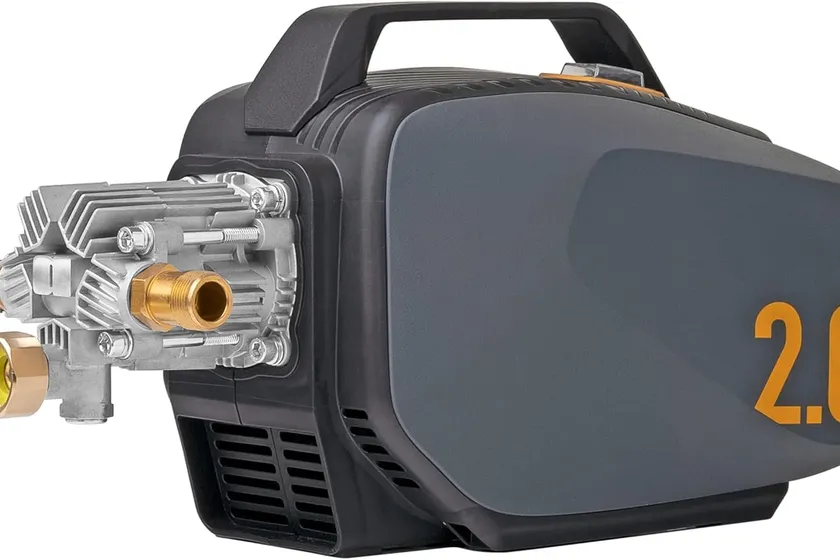
A 2.0 GPM machine tuned around paint rather than concrete, giving the water volume detailers want at a pressure that will not carve up a panel.
What we like
- 2.0 GPM is the highest flow in this guide, which is what actually makes foam rinse cleanly off a car
- 1800 peak PSI keeps the pressure in the paint-safe range instead of chasing a big marketing number
- Built and sold by a detailing-focused brand, so accessories, nozzles and cannons are matched to the machine
- Strong owner review history across several years rather than a listing that appeared last month
What we don't
- Easily the most expensive pick here, roughly triple the Greenworks
- No foam cannon included, and the matching Active cannon is another separate purchase
- Your home water supply must actually deliver 2.0 GPM, and older or restricted spigots will starve the pump
| Power source | Corded electric, 120V |
|---|---|
| Max pressure | 1800 PSI |
| Max flow | 2.0 GPM |
| Soap delivery | No onboard tank, pairs with a separate foam cannon |
| Water source | Garden hose |
| Price bracket | $$$ |
The Active 2.0 exists for one reason, and it is the reason detailers keep repeating: on paint, flow beats pressure. Soap and grit ride off a panel on volume of water, not on force. At 2.0 GPM this machine moves more water per minute than anything else in this guide, and it does it at 1800 peak PSI, which is a deliberately restrained number. That combination is the opposite of the 5000 PSI listings crowding the search results, and it is the combination that actually suits a car.
It also comes from a brand that builds for detailing rather than for pressure washing driveways, so the nozzles, quick connects and foam cannons in the Active range are designed around this pump. If you plan to build a wash setup over time rather than buy one box, that ecosystem matters.
The real cost is the price. This is roughly triple what the Greenworks costs and about double the Westinghouse, and the foam cannon is still separate. There is also a practical catch that catches people out: to use 2.0 GPM the machine has to receive 2.0 GPM. An older spigot, a long thin garden hose or a restricted supply will starve the pump and you will pay for flow you never see. Check your faucet output with a bucket and a stopwatch before buying.
Buy it if detailing is a hobby, you wash more than one vehicle, and you want foam gone in a single rinse pass. If you just want a clean car for the least money, the Greenworks 1700 PSI does that, and the Westinghouse ePX3100v sits in the sensible middle with the cannon already in the box.
Research-based pick: this recommendation is based on product data, owner feedback and comparison with products we have tested, not on direct hands-on testing.
Buy it if: A hobby detailer or someone who washes several vehicles and wants foam to rinse in one pass instead of three.
Skip it if: You want the cheapest way to keep one car clean, where the Greenworks 1700 PSI does the same basic job for far less.
Best for Washing Away From a Faucet
WORX WG647 Hydroshot 40V Cordless Power Cleaner
by WORX
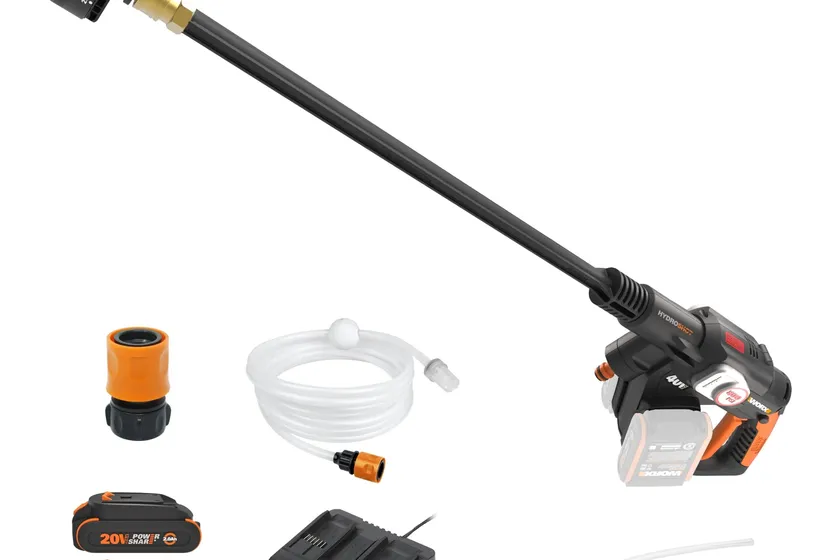
A handheld battery cleaner that draws water from a bucket, lake or barrel, which makes it the only pick here that works in an apartment lot or at a campsite.
What we like
- Runs off two 20V Power Share batteries, so there is no cord and no outlet to find
- Draws from a bucket, barrel or lake through the included suction hose, not just a garden hose
- 800 PSI is the gentlest output in this guide, which suits older paint and delicate trim
- Batteries fit the rest of the WORX Power Share tool range if you already own any
What we don't
- 800 PSI and 1.0 GPM will not shift baked-on mud or winter salt crust the way a corded unit does
- Runtime is limited to what two 2.0Ah batteries hold, which is often less than one full car wash
- No foam cannon, so proper contact-free foaming needs a separate pump sprayer
| Power source | Cordless, two 20V Power Share batteries paired for 40V |
|---|---|
| Max pressure | 800 PSI |
| Max flow | 1.0 GPM |
| Soap delivery | Soap setting on the 5-in-1 nozzle |
| Water source | Garden hose, or a bucket or barrel through the draw hose |
| Price bracket | $$ |
The WORX Hydroshot WG647 is not really competing with the other four on cleaning power, and it should not be judged that way. It wins its award because it solves a problem no corded washer can touch: washing a vehicle where there is no faucet and no outlet. Drop the suction hose in a five gallon bucket, clip in two batteries, and you have a working spray wand in a parking garage, at a trailhead or beside a boat ramp.
The brushless motor version is the one to get, and the 5-in-1 nozzle covers everything from a soap setting to a tighter jet for wheels. At 800 PSI it is the gentlest tool here by a wide margin, which is genuinely useful on chalky older paint, on bikes and on interior mats where a 2100 PSI tip would do damage.
The honest limitation is endurance. Two 2.0Ah batteries do not last a full wash on a dirty SUV, and 1.0 GPM means a bucket empties fast. It also will not remove caked mud or a winter salt crust the way any of the corded picks will. Treat it as a rinse and light-wash tool, not a pressure washer that happens to have batteries.
Buy it if your parking situation rules out a hose and a cord, or if you want a portable rinse tool for camping and boats. If you have a driveway with a spigot, buy the Westinghouse ePX3100v instead, or the Greenworks 1700 PSI if you want to spend less. Both will clean a car faster than this can.
Research-based pick: this recommendation is based on product data, owner feedback and comparison with products we have tested, not on direct hands-on testing.
Buy it if: Apartment dwellers, campers, boat owners and anyone who has to wash a vehicle where there is no faucet or outdoor outlet.
Skip it if: You have a driveway with a spigot and an outlet, where every corded pick here cleans faster and better for similar money.
How we chose#
This is a research-based guide, not a hands-on wash test. Car washing has an unusual problem for a buying guide: the search results are full of listings claiming 4800 or 5000 PSI from a machine that plugs into a normal household outlet, which is not physically possible at usable flow. So the first filter was honesty. Every pick here publishes a pressure and flow figure that matches what its motor can actually produce, and one of them, the Karcher, is CETA certified against a measured standard.
From there we compared working pressure against what paint tolerates, water flow in gallons per minute, how the machine delivers soap, whether it can draw water from something other than a garden hose, and how it stores between washes. We also weighted brand support, because pressure washer O rings, guns and hoses fail long before the motor does, and a no-name listing that disappears in a year leaves you with a paperweight.
Finally we picked across formats rather than five near-identical units: an all-rounder, a gentle certified unit, a budget entry, a high-flow detailing machine, and a cordless handheld for people with no faucet.
What to consider before buying#
Start with how often you wash and what else you clean. If it is one car every couple of weeks, almost anything here works and the budget Greenworks makes sense. If it is every weekend plus a driveway, you want more water flow. If it is multiple vehicles and you enjoy detailing, flow becomes the whole decision.
Then check your water supply. A pressure washer cannot deliver more water than your faucet gives it. Time how long a five gallon bucket takes to fill from your outdoor spigot: under three minutes is fine for any pick here, and much slower than that means a 2.0 GPM machine like the Active will be starved and you are paying for capability you cannot use.
Last, decide where soap comes from. An onboard tank is convenient, a foam cannon is better for paint, and only one machine here includes the cannon. Whichever soap route you take, the product in the bottle matters as much as the machine, and our guide to the best car wash soap covers what to put in a cannon.
Flow beats pressure on paint#
This is the single idea that should drive your choice. Pressure loosens dirt, but water volume carries it away. A 1.2 GPM machine and a 1.76 GPM machine at similar pressure feel completely different when you are rinsing foam off a hood, because one is moving nearly 50 percent more water every minute. That is why the Active 2.0 sells at a premium for a modest 1800 PSI rating, and why the Westinghouse feels quicker than the Karcher despite similar tips.
The flip side is that high pressure is the spec that can hurt you. Above roughly 2200 PSI you are into territory where a close pass with a narrow nozzle can lift failing clear coat, blow water past window seals or strip a badge. If you are choosing between more pressure and more flow at the same price, take the flow every time.
Corded or cordless#
Every corded pick here needs a garden hose and an outdoor outlet. If you have both, corded wins on cleaning power for the money and there is no runtime to worry about. The WORX Hydroshot exists for people who do not have both, and it makes a real compromise to get there: 800 PSI, 1.0 GPM, and battery life that often runs out before a dirty SUV is done. It is a rinse tool that travels, not a corded washer replacement.
There is a middle path worth knowing about. Plenty of people use a battery unit for quick rinses and interior mats, then do the full wash at a self-serve bay once a month. If your setup pushes you that way, the interior side of the job usually needs a separate tool, and our roundup of the best car vacuums covers the cordless options that pair well with a handheld washer.
Soap, nozzles and what actually causes swirl marks#
Most paint damage from home washing is not from the pressure washer at all. It comes from dragging a dirty mitt across a panel that still has grit on it. That is the argument for a thick foam pre-soak: cover the car, let the foam lift grit, rinse it off with pressure, and only then touch the paint. A foam cannon does this properly, an onboard soap tank does it partly, and no soap at all does not do it.
On nozzles, use the 40 degree white or 25 degree green tip on paint and keep the wand about a foot back. Save the tighter tips for wheel wells and concrete, and never put a turbo nozzle near a panel. The Greenworks is the most limited here, since it ships with one adjustable wand tip rather than a set of color-coded nozzles, and the Karcher gives you three. The Westinghouse arrives with spray tips and the cannon together, which is the setup most people actually want.
Final recommendation#
Most people should buy the Westinghouse ePX3100v. It has the flow to rinse a full-size vehicle quickly, the foam cannon is already in the box, and 2100 PSI covers the driveway when you need it. If your only concern is protecting the paint on a newer or wrapped car, the Karcher K1700B is the gentle, certified, tidy option. If you are buying your first washer and want to spend the least, the Greenworks 1700 PSI does the basic job with a real brand behind it. Serious detailers who wash multiple vehicles should stretch for the Active 2.0 and its 2.0 GPM flow, as long as their faucet can feed it. And if you park where there is no spigot and no outlet, the WORX WG647 Hydroshot is the only pick here that will work at all.
Frequently asked questions
How much pressure is safe for car paint?
Roughly 1200 to 1900 PSI is the comfortable range for paint, and up to about 2200 PSI is fine if you keep the wand a foot or more away and use a wide nozzle. Damage almost never comes from the machine's rating alone. It comes from holding a narrow tip close to an edge, a chip or a trim seal. Never point a turbo or zero degree nozzle at paint. The Karcher K1700B and Greenworks unit here sit at 1700 PSI, which is the safest end of this group.
Why do some listings claim 4800 or 5000 PSI for the same money?
Because nobody checks. A standard 120V household outlet limits an electric pressure washer to roughly 1.5 horsepower, and that physically caps output near 2000 to 2300 PSI at usable flow. Listings advertising 5000 PSI are quoting a theoretical peak or simply making it up. The picks in this guide top out at 2100 PSI, and the Karcher is CETA certified, meaning its numbers are measured against a published standard.
Is GPM more important than PSI for washing a car?
For paint, yes. Pressure loosens dirt, but water volume is what carries it off the panel and rinses foam out of panel gaps and badges. That is why the 2.0 GPM Active and the 1.76 GPM Westinghouse rinse a vehicle far faster than the 1.2 GPM machines, even though their pressure ratings are similar. If you are choosing between two washers at the same price, take the one with higher GPM.
Do I need a foam cannon, or is the soap tank enough?
A soap tank like the one on the Karcher gives you thin suds that rinse away quickly, which is fine for a weekly maintenance wash. A foam cannon makes thick foam that clings, softens grit and lets you touch the paint less, which is what prevents swirl marks. The Westinghouse includes a cannon in the box. The Greenworks, Active and WORX do not, so add that to your budget.
How long does an electric pressure washer last?
Most household electric units last three to seven years of weekend use. What kills them is running the pump dry, storing them where water inside freezes, and leaving the trigger locked open so the pump cycles constantly. Drain the pump before winter, never run it without water connected, and release the trigger when you walk around the car.
Can I use a pressure washer if I live in an apartment with no outdoor faucet?
Only with a battery unit that can draw its own water. The WORX WG647 Hydroshot pulls from a bucket, barrel or lake through a suction hose and runs on batteries, so it needs neither a spigot nor an outlet. Every corded pick here needs both. Expect the tradeoff: at 800 PSI and 1.0 GPM, the Hydroshot rinses rather than blasts.
About the author
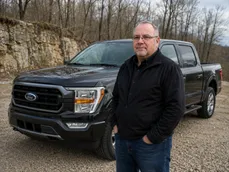
Dale Harper Lead Gear Editor
Dale is a longtime truck owner and former accessory-shop tech who builds these guides from manufacturer fit data, aggregated owner feedback and direct spec comparison. Research-based picks are always labelled as such.
Daily driver: 2022 Ford F-150 XLT SuperCrew
- Tonneau covers and bed accessories
- Seat covers and interior protection
- Lift kits and suspension